
Sr Specialist - Security Analytics & Operations
Your opportunity
At Charles Schwab, our purpose is simple: we champion client’s goals with passion and integrity. Guided by honesty, mutual respect and a commitment to doing what’s right, we bring innovation, education, and service together to help shape financial futures. Our people are the foundation of our success – they approach their work with curiosity and collaboration, coming together to create solutions that make a meaningful impact for clients and communities. As we expand into India, we are bringing this same culture of inclusion, learning, and opportunity to new talent. Joining us means becoming part of a global team where your work matters and your future can take shape.
Our Hyderabad location is central to Schwab’s growth, bringing together talented people and technology to drive innovation, scale and efficiency. Here, you will work alongside teams who create solutions that support millions of clients every day. The work you do is more than daily operations – it’s a chance to experiment, learn, and build within a values-driven, supportive environment. This is a unique opportunity to be part of our early growth phase and shape something new, backed by the stability and strength of a Fortune 500 company. Your impact begins on day one, and your contributions will help define our future in the region
The Senior SOC Specialist is an experienced security analyst operating at Tier 2/3, responsible for handling complex or escalated incidents and leading advanced detection and response efforts. As a subject-matter expert in the SOC, the Senior Analyst conducts in-depth investigations and tunes detection systems to improve the SOC’s effectiveness. In a financial industry SOC, Senior Analysts play a critical role in ensuring that sophisticated cyber attacks – especially those targeting sensitive financial data, customer information, or transactions – are identified, investigated, and contained swiftly. They also act as mentors for junior analysts, sharing knowledge and providing guidance to elevate the skills and performance of the entire team.
Key Responsibilities:
- Incident Investigation & Response: Lead in-depth investigations of security incidents. Analyze compromised systems and networks to determine root cause, scope, and impact. Perform host- and network-based digital forensics, examining logs, system images, and other evidence to understand attack vectors and methods. Drive timely containment, eradication of threats, and recovery of affected systems.
- Detection Tuning & Content Development: Refine and develop detection mechanisms to improve the SOC’s alert fidelity. Write and adjust SIEM correlation rules, alerts, and use cases to reduce false positives and ensure emerging threats are detected. Work with security engineers to fine-tune EDR and IDS/IPS signatures and to integrate new threat intelligence into monitoring tools.
- Incident Reporting: Document and report on incident findings and response actions in detail. Produce post[1]incident reports that summarize the attack timeline, techniques used, impact on systems/data, and remediation steps taken. Provide recommendations for future prevention and control improvements.
- Mentorship and Training: Guide and support junior SOC analysts (Tier 1) by reviewing their incident reports, offering feedback, and providing technical direction during investigations.
- Help develop training materials or lead workshops on new threats, tools, or investigative techniques. This ensures knowledge transfer and continuous improvement of the team’s capabilities.
- Cross-Team Collaboration: Coordinate with other teams such as Threat Intelligence, Vulnerability
- Management, or IT Operations when investigating incidents. For example, work with vulnerability management to verify if newly disclosed exploits (e.g., affecting financial systems) are relevant to the organization’s environment, or collaborate with IT teams on remediation and patching.
What you have
Required Qualifications:
- Experience: Typically 3–6 years of experience in cybersecurity operations or incident response. A track record of investigating a variety of security incidents and familiarity with SOC processes and incident response lifecycle is expected. Prior experience in the financial sector or another highly regulated industry is advantageous due to understanding of compliance and advanced threat scenarios.
- Technical Expertise: Proficiency with security monitoring and investigation tools. Strong hands-on experience using a SIEM (creating complex queries, interpreting correlations) and EDR solutions to analyze incidents. Ability to perform deep packet inspection with network analysis tools (e.g.,
- Wireshark) and experience with forensic techniques (memory or disk analysis). Solid understanding of malware behavior, lateral movement, data exfiltration methods, and other adversary tactics.
- Threat Knowledge: Strong knowledge of adversary tactics, techniques, and procedures as documented in frameworks like MITRE ATT&CK. Able to map observed behavior to known tactics and recommend detection or mitigation strategies. Up-to-date on current cyber threats targeting financial institutions (such as phishing campaigns, ransomware, banking trojans, insider threats, etc.).
- Certifications: One or more advanced cybersecurity certifications are expected as evidence of expertise.
- Examples: GIAC certifications like GCIH (Incident Handler) or GCIA (Intrusion Analyst), GCFA (Forensic Analyst) for digital forensics, or GREM (Reverse Engineering Malware) for malware analysis. CompTIA CySA+ or CASP+, OSCP, or similar certifications are also beneficial. These demonstrate hands-on skills in incident handling, intrusion analysis, and threat hunting.
- Communication & Reporting: Excellent written and verbal communication skills to document complex technical findings clearly and to brief non-technical stakeholders or management during and after security incidents
Preferred Qualifications:
- Scripting & Automation: Proficiency in scripting or light programming (Python, PowerShell, bash, etc.) to automate SOC processes, parse large data sets, or develop custom detection rules. Experience creating scripts to expedite tasks (log parsing, data enrichment, etc.) is highly valued.
- Cloud Security Experience: Familiarity with security monitoring in cloud environments (AWS, Azure, GCP) and analyzing cloud service logs. Experience investigating incidents in cloud-based systems or using cloud-native security tools is a plus, as financial institutions increasingly utilize cloud infrastructure.
- Industry-Specific Knowledge: Prior employment in a financial services SOC or other regulated industry
- (e.g., banking, insurance) is beneficial. Knowledge of relevant compliance standards (like PCI-DSS for payment data security, GLBA for financial privacy) can help in understanding the context of security operations requirements in finance.
- Additional Certifications: Management or leadership-oriented certifications such as CISSP (Certified
- Information Systems Security Professional) or vendor-specific certifications (like AWS Certified Security
- Specialty) can be advantageous, indicating a broad understanding of security program management or specialized technical domains.
What’s in it for you
At Schwab India, you’re empowered to shape your future. We support your growth through meaningful work, continuous learning, and a culture rooted in trust and collaboration – so you can build the skills to make a lasting impact. Our benefits are designed to care for your wellbeing, your family, and your long-term financial security.
Our base benefits, wellbeing, and total rewards include:
- Competitive compensation and retirement programs including Employee Provident Fund (EPF), Gratuity, and optional National Pension System (NPS) contributions
- Robust Paid Time Off, including annual/privilege leave, sick and casual leave, public holidays, maternity/paternity leave, and more
- Education assistance for continued learning to help you grow
- Comprehensive medical insurance with Outpatient Department (OPD) services, including vaccination, pharmacy, dental, and vision coverage
- Annual reimbursement for health check-ups and mental health support through our Employee Assistance Program (EAP)
- Childcare (creche) reimbursement for eligible employees
- Transportation and meal benefits that support your day-to-day work
- Group life, personal accident, and critical illness insurance
-
 March 27, 2023
 -
Schwab stories There’s no better way to discover life at Schwab than hearing it from the amazing people who experience it every day. April 13, 2023 Story Hub
-
April 18, 2023
-
June 29, 2023
-
June 30, 2023
-
July 03, 2023
-
July 06, 2023
-
July 07, 2023
-
July 10, 2023
-
June 26, 2023
-
Diversity and inclusion We make sure everyone feels valued, supported, and welcomed. Because that’s what moves us forward. June 30, 2023
-
July 03, 2023
-
Schwab Employee Benefits & Compenstation Our Total Rewards are designed to support the whole you – now, and in the future. Learn more about the benefits of working at Schwab. July 03, 2023 Benefits Home Page Related Content SR Sidebar Related Content
-
July 06, 2023
-
Schwab Stories There’s no better way to discover life at Schwab than hearing it from the amazing people who experience it every day. July 07, 2023
-
July 11, 2023
-
July 06, 2023
-
July 10, 2023
-
July 11, 2023
-
June 28, 2023
-
July 03, 2023
-
Client Service At Schwab, our commitment to seeing the world “through clients’ eyes” underlines everything we do, and our Client Service & Support team is often the first place client's experience it. July 07, 2023 Service Related Content
-
July 07, 2023
-
July 07, 2023
-
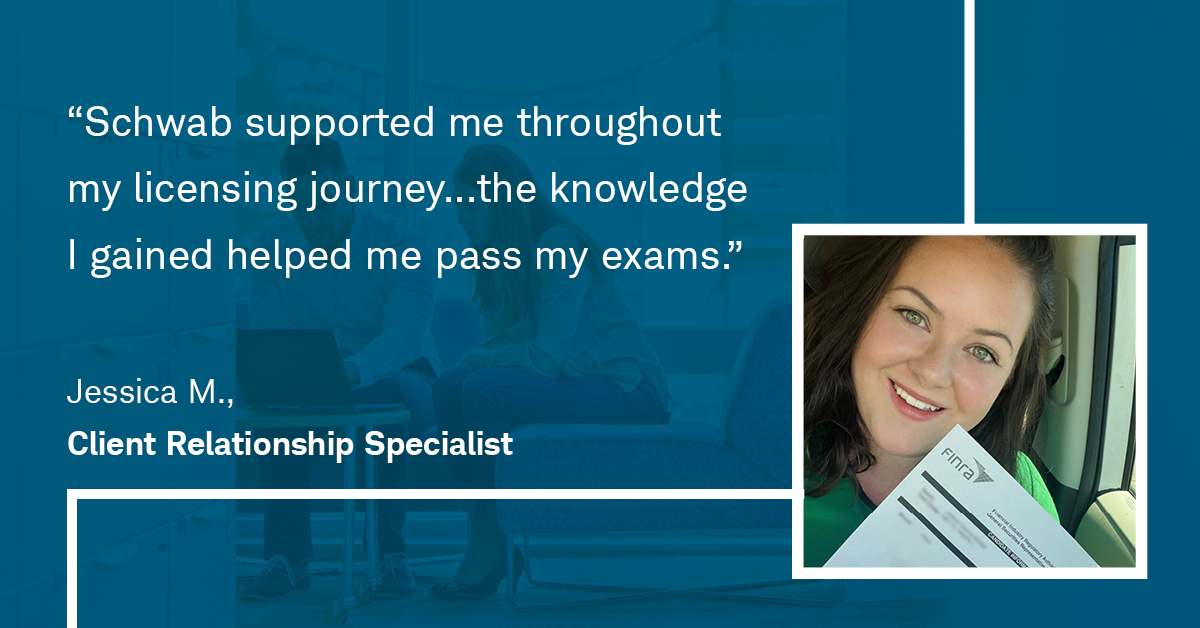
Empowering Success: Finding the Support to Pass Series 7 Learn how Schwab supported Jessica M. on her journey to passing her Series 7 exam and becoming a full-time Schwabbie. June 21, 2023 Career Development Story Hub
-
Career Development: Les S. Builds a Diverse Career at Schwab Read how Les S. in Digital Product Management reinvented her career path to support innovation at Schwab. June 21, 2023 Career Development Story Hub
-
Reach for the S.T.A.R.s: How to Prepare for a Behavioral-Based Interview at Schwab Interviewing is a necessary and essential part of the job application process. Here at Schwab, our interviewing approach stems from a behavioral-based interviewing methodology. Read on for advice and further information on the best way to prepare for an interview at Schwab! June 21, 2023 Career Development Story Hub
-
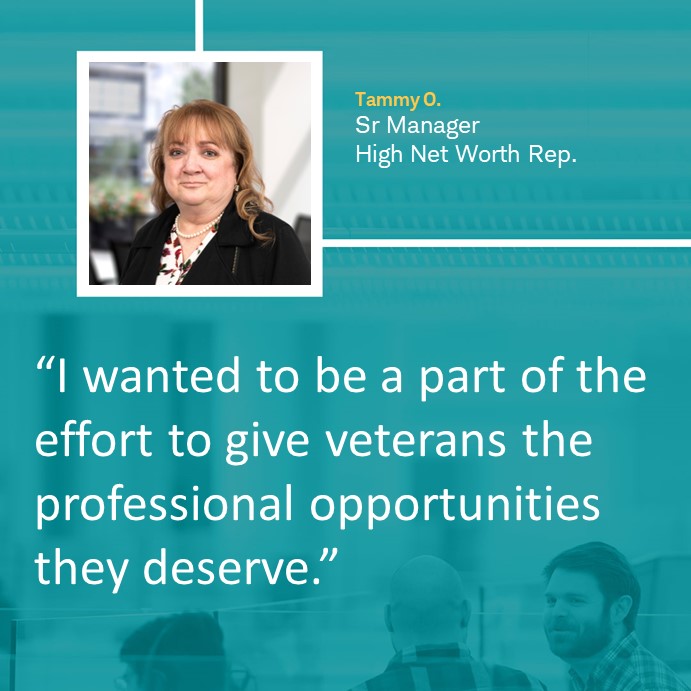
Military Veterans Network: Tammy's Story Learn how Tammy supports veterans through our employee resource group Military Veterans Network at Schwab. July 28, 2023 Culture & Inclusion Story Hub
-
Employee Resource Group Spotlight: PRIDE+ Happy PRIDE month! Learn about our LGBTQ+ Employee Resource Group at Schwab PRIDE+. July 31, 2023 Culture & Inclusion Story Hub
-
Jackie's FINRA Series 7 Exam Journey Read how passing the Series 7 exam transformed Jackie's career trajectory, and how the support she encountered at Schwab helped her become a Financial Consultant Partner at our firm. August 10, 2023 Career Development Story Hub Retail Related Content
-
Hybrid work & flexibility at Schwab. Learn about our hybrid work schedule that provides you the freedom to work from home and office. August 10, 2023
-
ERG Spotlight: Schwab Organization of Latinx (SOL) Read how our Schwab Organization of Latinx (SOL) Employee Resource Group empowers Latinx individuals to succeed in their professional careers. September 13, 2023 Culture & Inclusion Story Hub
-
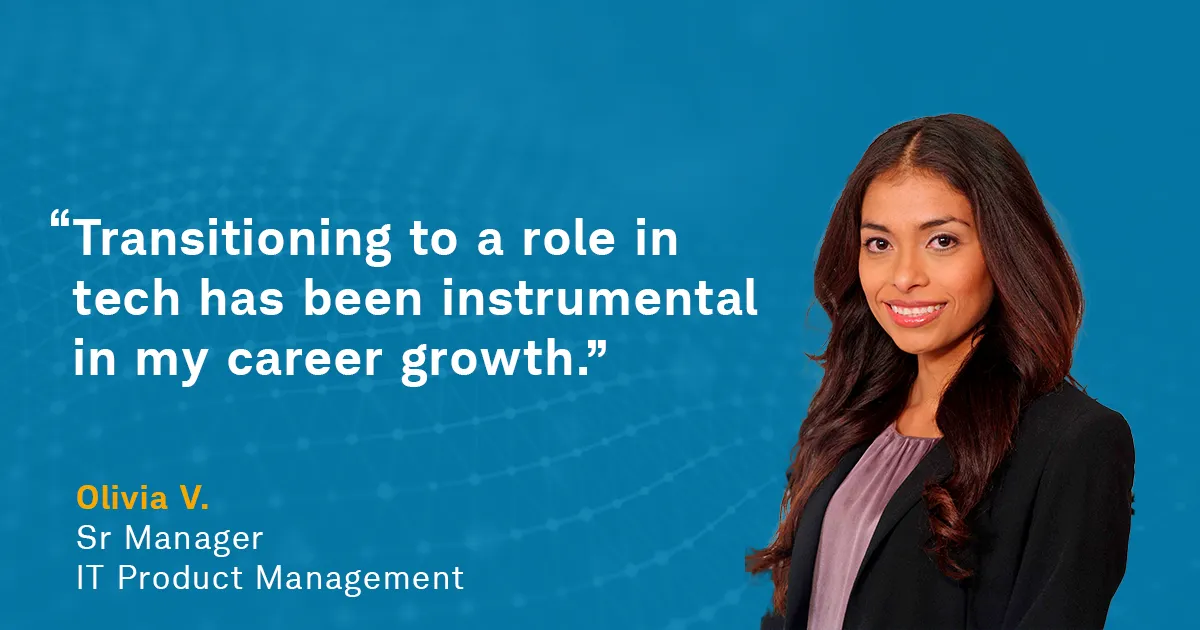
Women in Tech: Olivia V. Meet Olivia V., one of our Technology Product Management superstars. Read how, over the course of 13 years at Schwab, she’s transitioned from finance into tech and built an impactful career. September 29, 2023 Career Development Story Hub Home Page Related Content Technology Related Content
-
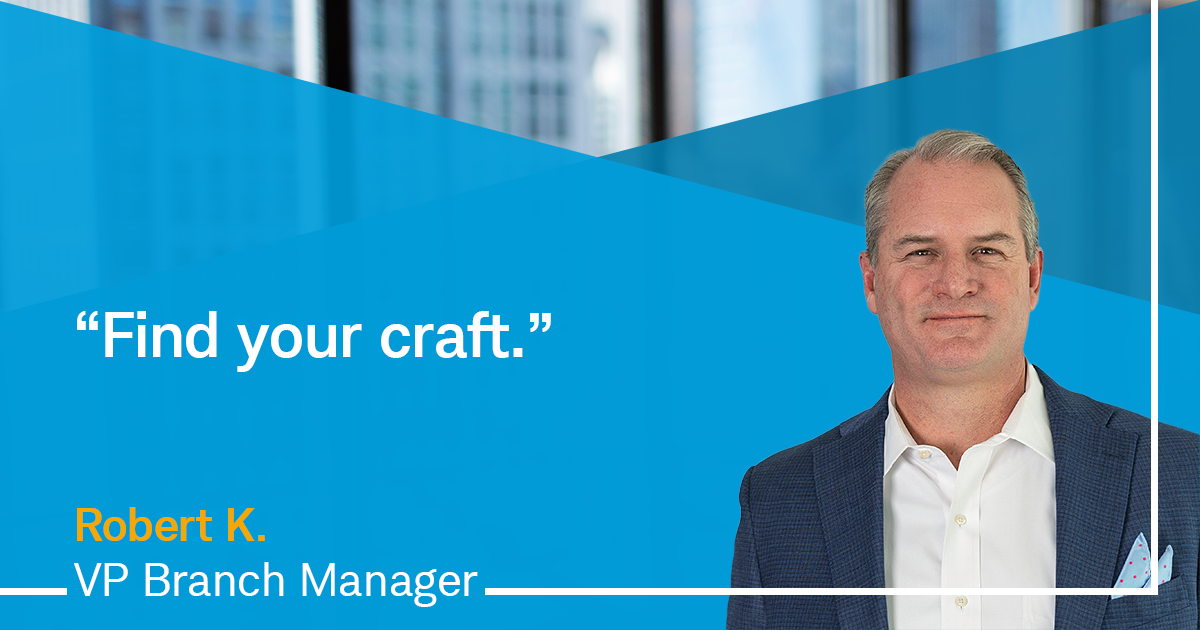
Build Your Career: 30 Years at Schwab with Robert K., VP Branch Manager Learn how Robert K., a 30-year Schwabbie and VP Branch Manager, used his passion for investment to experience career growth, professional stability, and become a leader in finance. October 23, 2023 Career Development Story Hub Retail Related Content
-
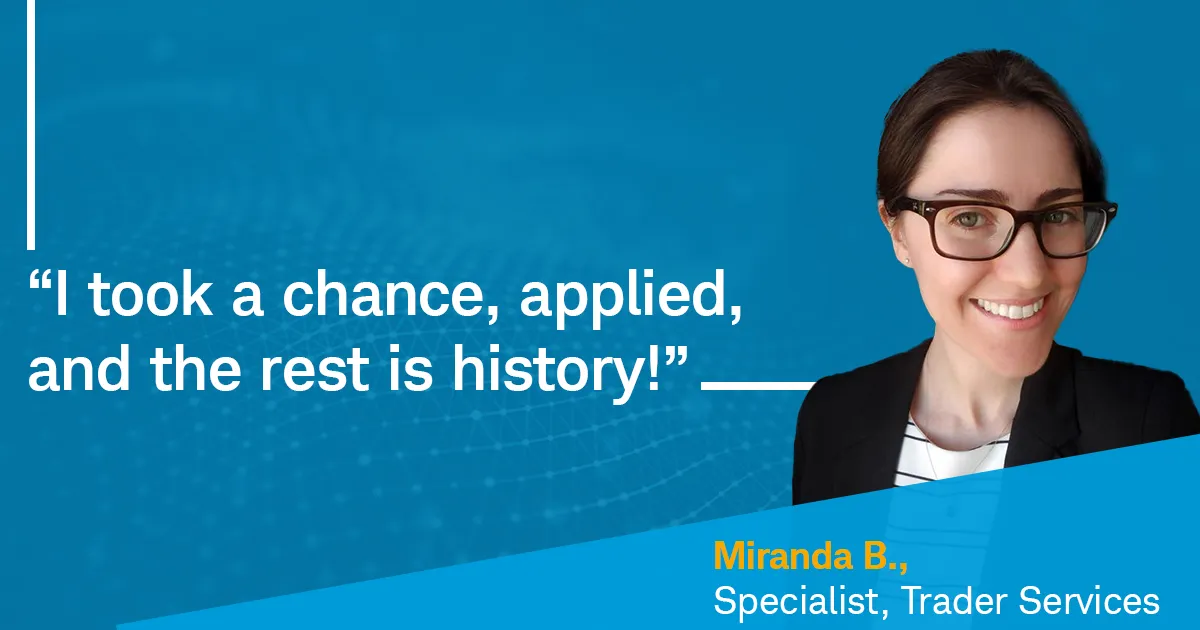
Career Changer: Academia to Financial Services Learn how Miranda used her degree in Machine Learning to transition from a scientific researcher to a brokerage specialist in Trader Services. November 06, 2023 Career Development Story Hub Home Page Related Content Service Related Content SR Sidebar Related Content
-
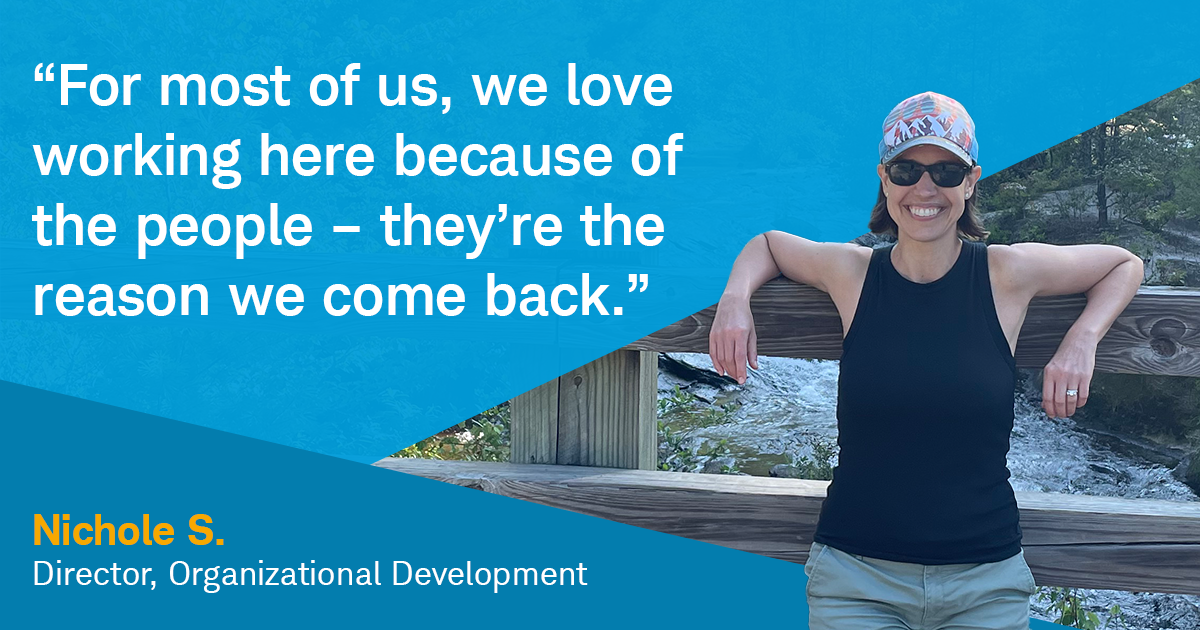
Schwoomerangs: Returning to Schwab with Nichole S. Learn why Nichole S., a Director in Talent & Organizational Development and one of our "Schwoomerangs", returned to Schwab -- and how her work helps others thrive professionally. November 14, 2023 Life at Schwab Culture & Inclusion Story Hub
-
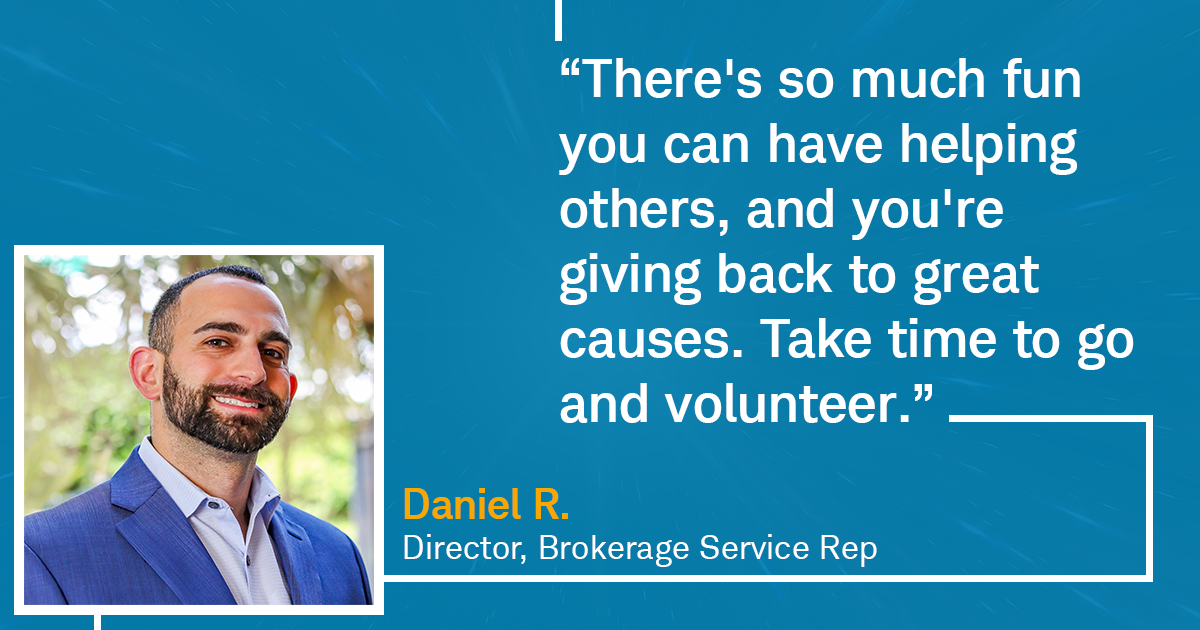
Season of Giving: Empowering Communities Through Volunteerism with Daniel R. Daniel, United States Marine Corps Veteran and Director, is playing a crucial part in fighting food insecurity for those in need. Learn about his journey from the military to Schwab, how he's creating a positive impact through volunteerism, and the importance of lending a helping hand. November 16, 2023 Career Development Culture & Inclusion Story Hub
-
ERG Spotlight: Families at Schwab (FAMS) Learn about our Families at Schwab (FAMS) Employee Resource Group, where community, education, and networking opportunities are helping parents and guardians thrive. November 28, 2023 Life at Schwab Benefits Culture & Inclusion Story Hub
-
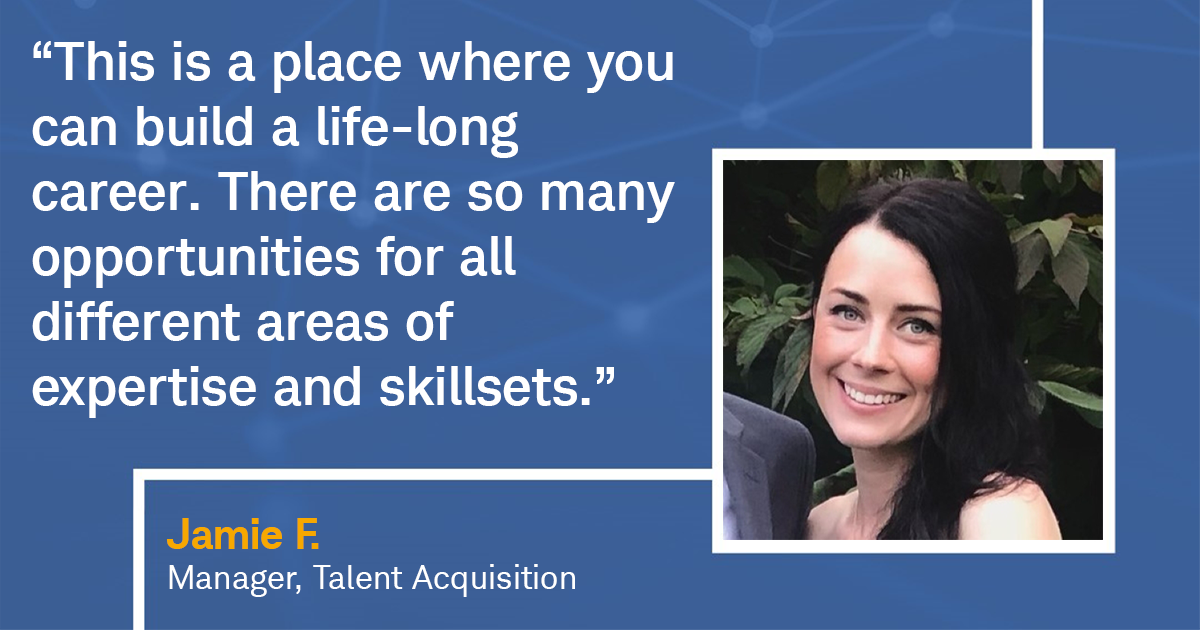
Schwoomerangs: Returning to Schwab with Jamie F. Read about how “Schwoomerang” Jamie, pursued career opportunities outside of our company and later returned. As a Manager in Talent Acquisition, she’s using her skills to attract top-tier talent and is happy to be with a company that prioritizes her professional growth. November 28, 2023 Benefits Career Development Culture & Inclusion Story Hub
-
A Journey of Ambition and Growth: 40 Years in Financial Services Read about Wanda's professional growth, desire to help others, and impactful career spanning 40 years at Schwab. January 31, 2024 Career Development Culture & Inclusion Story Hub Home Page Related Content
-
Find Your Fit: 10 Essential Questions to Ask During Your Job Interview To help you along your job hunting journey, we put together “10 Essential Questions to Ask During Your Job Interview”. Read through to learn how to uncover key elements of company’s culture and see how our own Schwab Talent Advisors answer these important questions. February 21, 2024 Career Development Culture & Inclusion Story Hub Home Page Related Content SR Sidebar Related Content
-
January 18, 2024
-
A Sabbatical Journey: An Analytics Consultant’s Exploration of Europe and Work-Life Balance at Schwab. Learn how a data analytics consultant utilized his Schwab sabbatical benefit to backpack Europe and enjoy some work-life balance. March 19, 2024 Benefits Story Hub Home Page Related Content SR Sidebar Related Content
-
GLOBE: A place to belong and understand other cultures It’s Celebrate Diversity Month, a time where we highlight the cultures that make up our community at Schwab. Learn how our GLOBE Employee Resource Group brings many different cultures together to create shared understanding and celebrate our differences. April 03, 2024 Culture & Inclusion
-
Prioritizing Career Development with Pro Day To support the development of our people, we got together to dive deep into areas we're passionate about, giving us time to hone our skills and explore new avenues for growth in our roles and careers. Read about how we used Pro Day to elevate ourselves and each other! April 17, 2024 Career Development Story Hub Home Page Related Content SR Sidebar Related Content
-
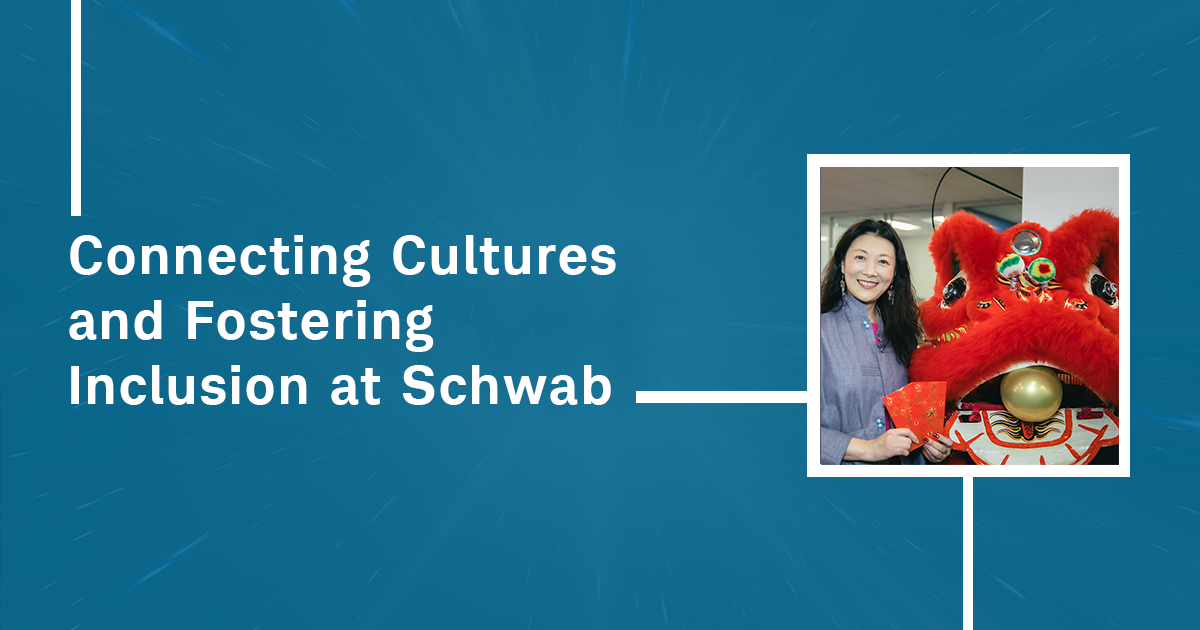
Connecting Cultures and Fostering Inclusion at Schwab May is Asian American Native Hawaiian Pacific Islander Heritage Month! Across the country, chapters of the Asian Professionals Inclusion Network at Schwab (APINS) host celebratory and educational events all year long. Their efforts, along with learning about the experiences of Schwabbies like Mary, help us foster an inclusive company culture and better serve our communities. May 08, 2024 Culture & Inclusion Story Hub
-
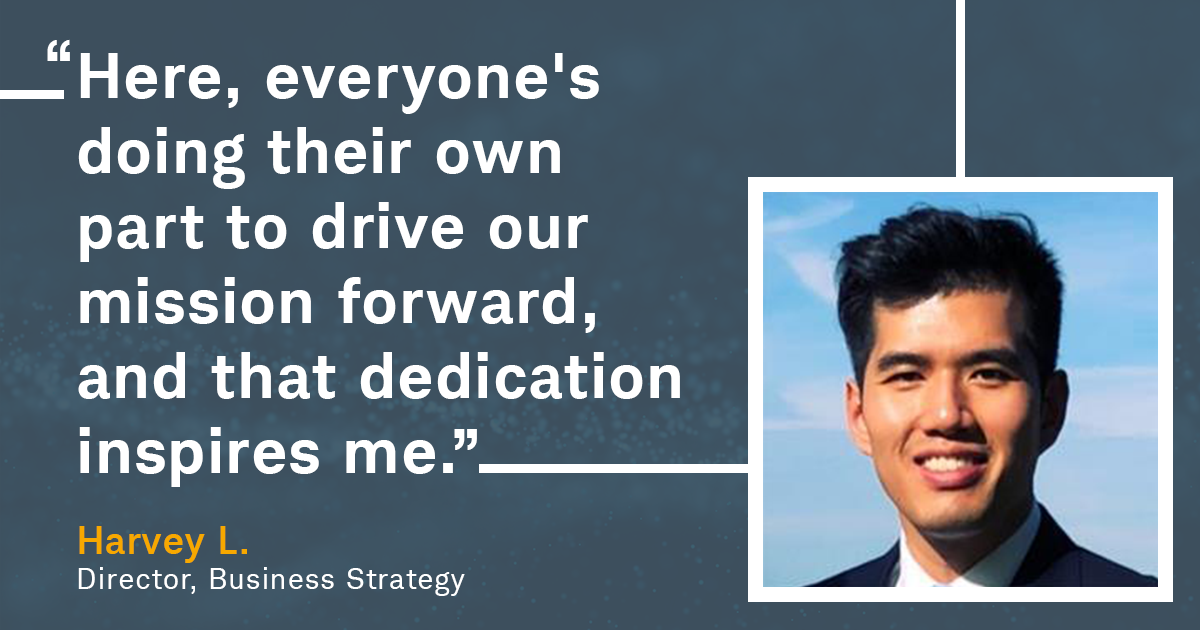
Schwoomerangs: Employees Who Return to Schwab with Harvey L. Meet Harvey L., a Director of Business Strategy in Wealth and Advice Solutions, who briefly left and then came back to Schwab – and rediscovered our warm culture and career advancement opportunities. May 10, 2024 Career Development Culture & Inclusion Story Hub
-
May 20, 2024
-
May 20, 2024
-
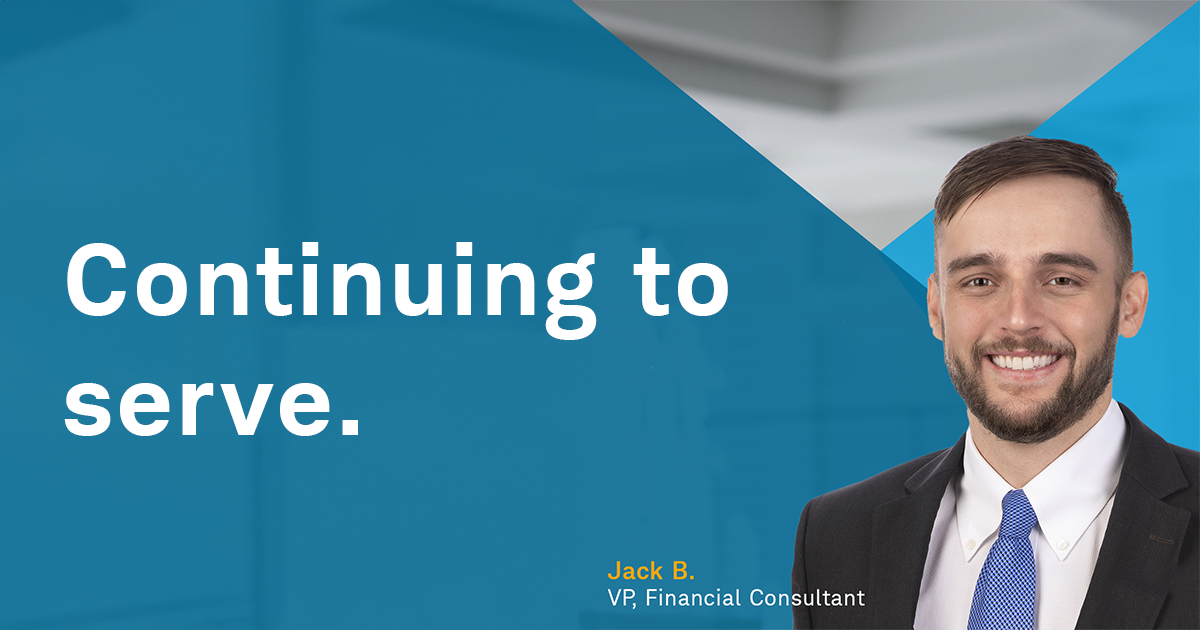
How Former Army Reservist Jack B. Continues to Serve Jack B.'s commitment to helping others shines through in everything he does. Read about his journey from the military to our company, his dedication to volunteerism, and how he makes a difference both in and out of the office! May 10, 2024 Career Development Culture & Inclusion Story Hub
-
Career Tips: How to Start Building Your Professional Network Learn essential career tips to start building your professional network. Discover effective networking strategies and best practices for in-person and virtual connections. Boost your career today! June 27, 2024 Career Development Story Hub
-
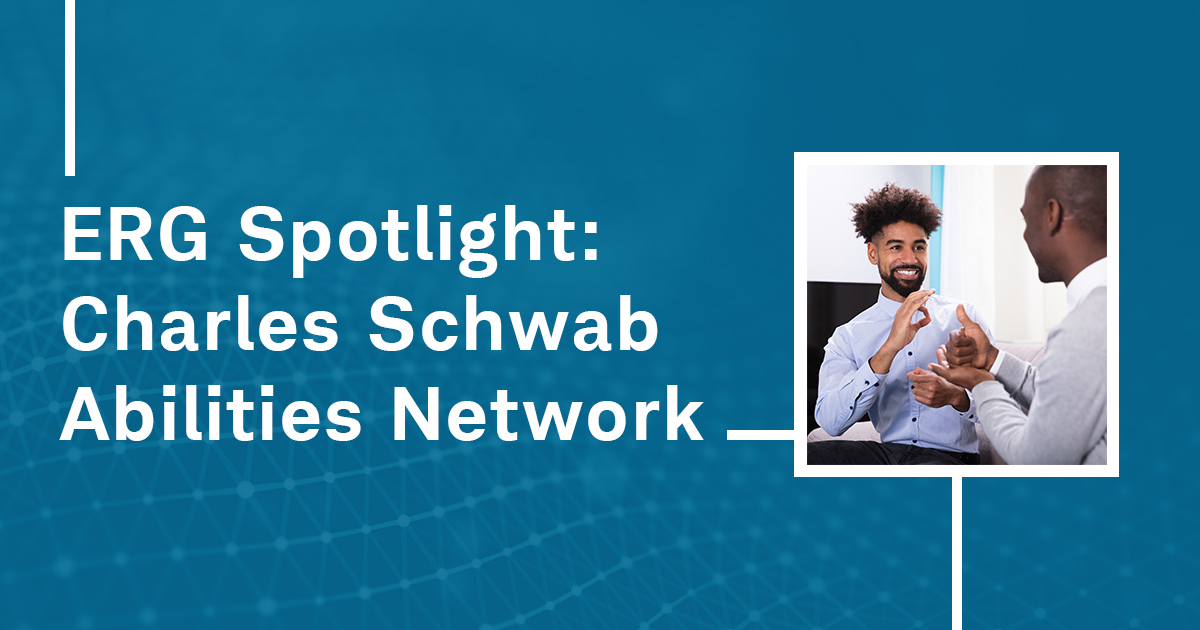
ERG Spotlight: Charles Schwab Abilities Network Learn about our Charles Schwab Abilities Network (CSAN) Employee Resource Group (ERG), which strives to foster a supportive work environment and community for those who have, or care for a loved one with, a disability. June 28, 2024 Life at Schwab Culture & Inclusion Story Hub
-
April 29, 2024
-
June 07, 2024
-
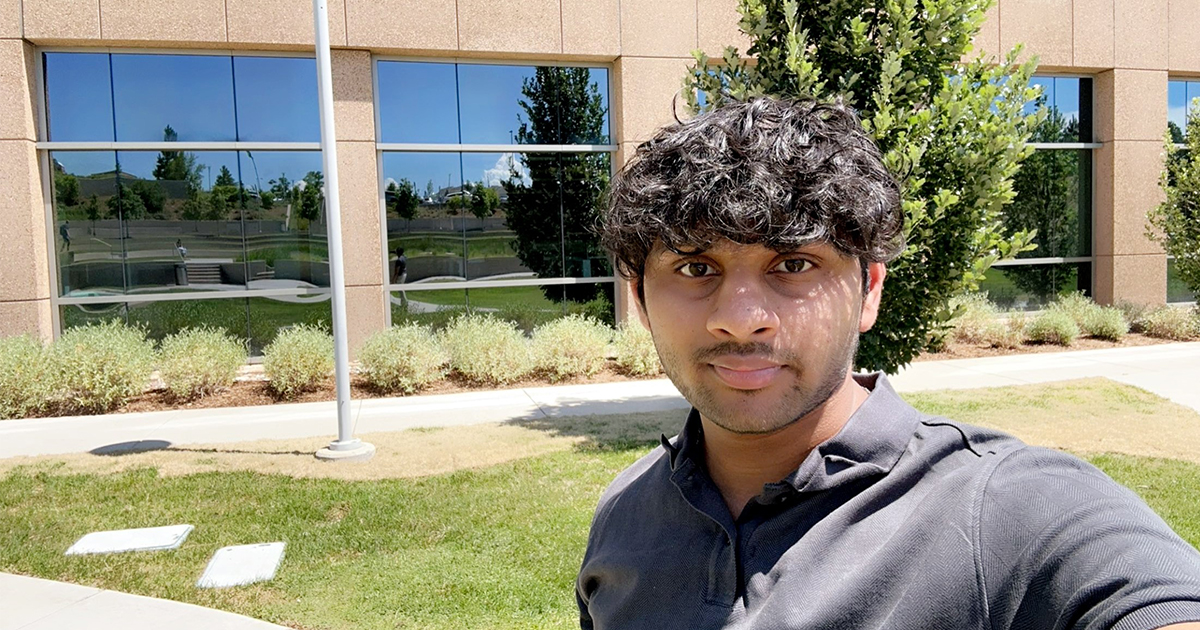
Internship Academy: Pawan's Summer Experience Read about Pawan's summer Schwab Internship Academy experience supporting our Technology Business Management Office. August 02, 2024 Interns & Early Careers Story Hub
-
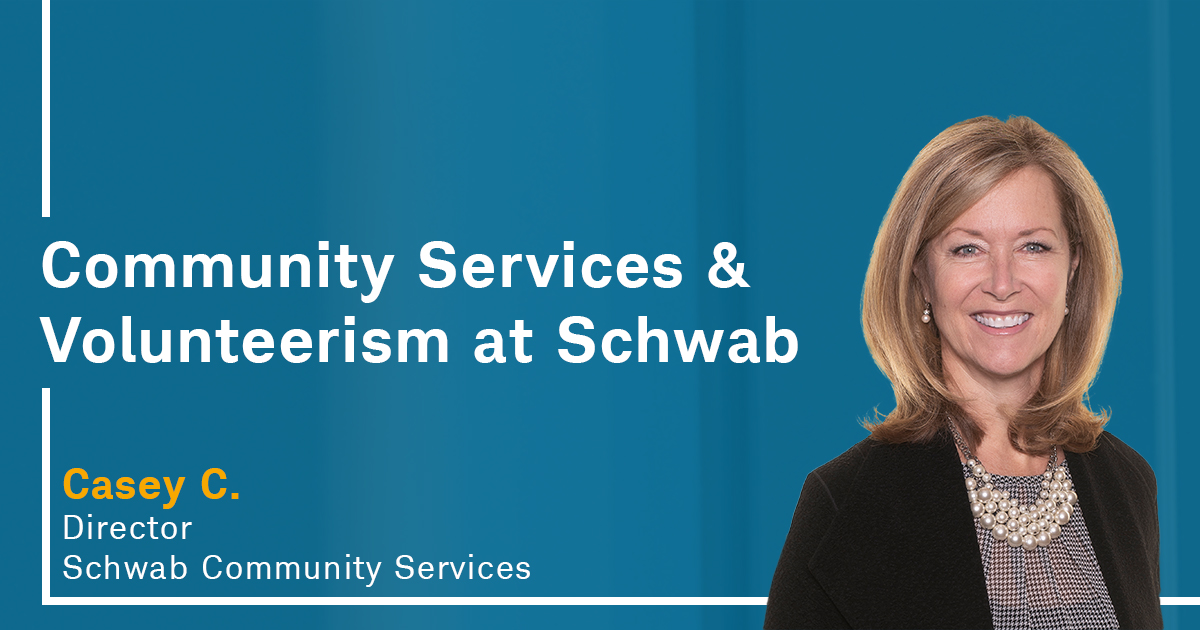
Community Services & Volunteerism at Schwab with Casey C. Casey C., a Director in Schwab Community Affairs, joins us to talk about the many ways Schwab lends a helping hand. Learn about her journey, why the work she does is so meaningful, and how our community programs continue to evolve. August 14, 2024 Life at Schwab Career Development Culture & Inclusion Story Hub
-
Internship Academy: Networking with Alexandra Read how Alexandra is building connections through virtual and in-person networking, and about her summer Schwab Internship Academy experience as a part of our Client Service and Support cohort. August 26, 2024 Career Development Interns & Early Careers Story Hub
-
Tech and Engineering August 29, 2024
-
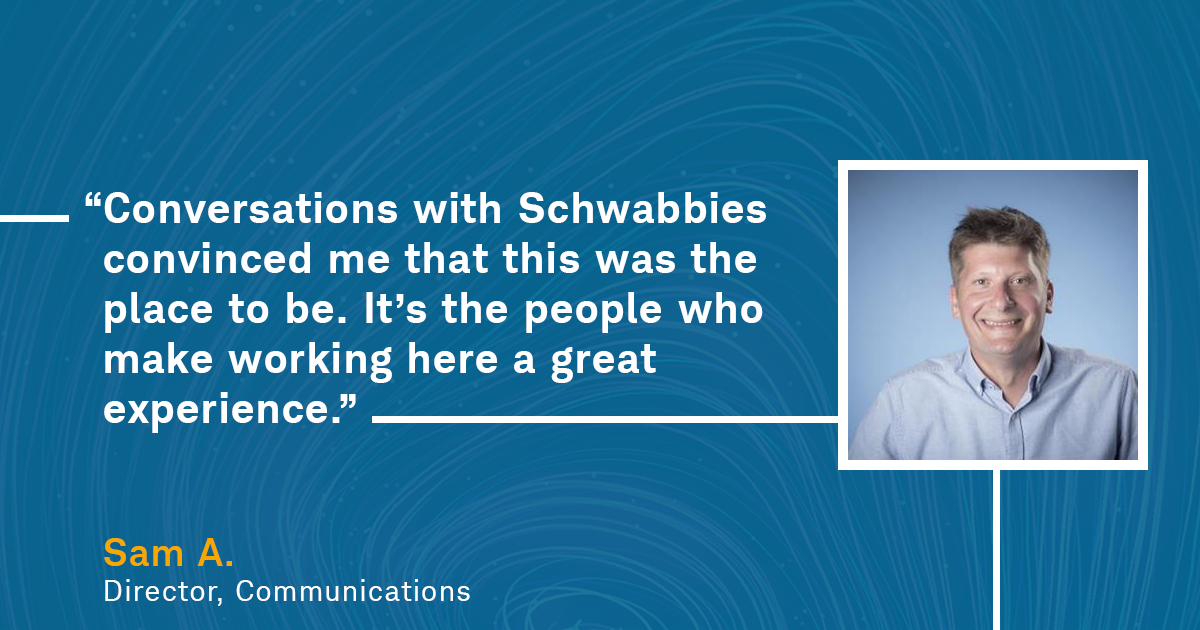
Schwoomerangs: Returning to Schwab with Sam A. Meet Sam A., a Director in Communications, who briefly left and then came back to Schwab – and rediscovered our warm culture and career advancement opportunities. September 03, 2024 Career Development Culture & Inclusion Story Hub
-
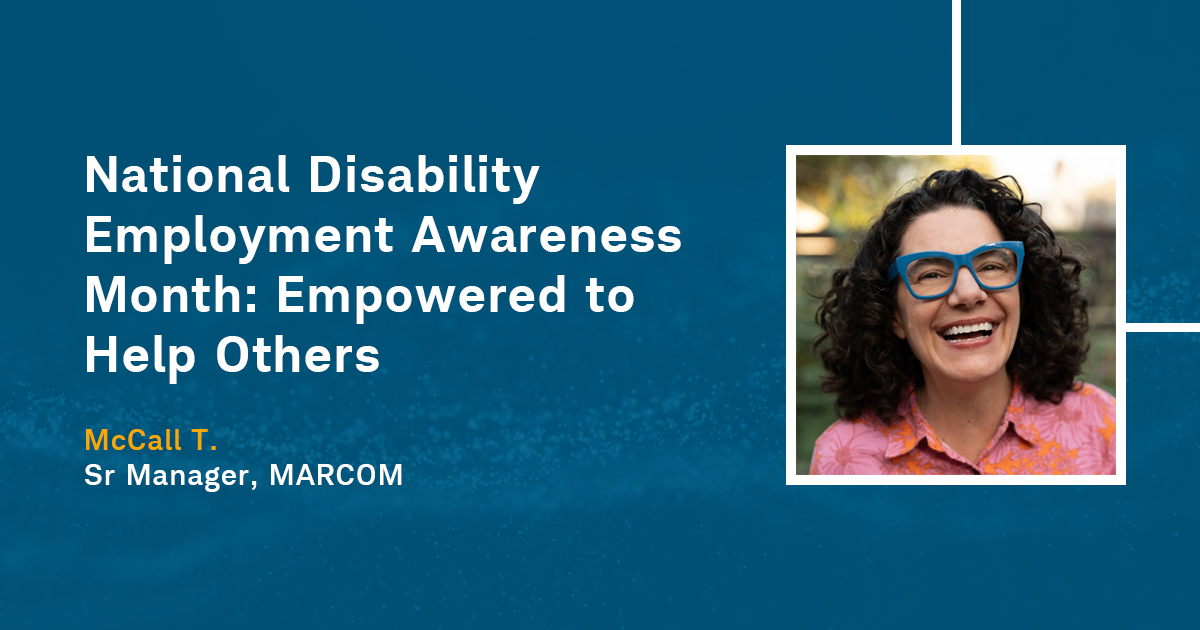
National Disability Employment Awareness Month: Empowered to Help Others Read how McCall T., a Schwabbie living with Multiple Sclerosis (MS), has been making the workplace more inclusive for individuals with disabilities. October 01, 2024 Culture & Inclusion Story Hub
-
The Value of Making Connections at Schwab Read how a group of Schwabbies became close friends, and how staying connected has helped them grow and develop in their own careers. October 03, 2024 Life at Schwab Career Development Interns & Early Careers Story Hub
-
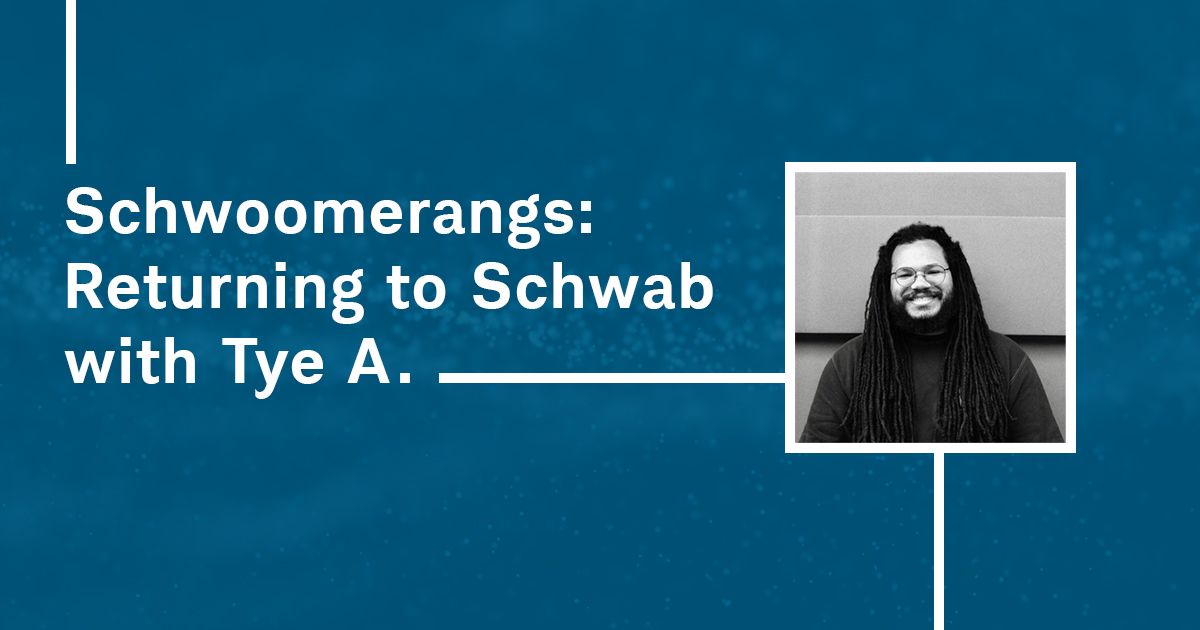
Schwoomerangs: Returning to Schwab with Tye A. For Tye A., coming back to Schwab meant rediscovering a workplace that supports his career growth and feels like home. Read about his “Schwoomerang” journey. October 04, 2024 Life at Schwab Culture & Inclusion Story Hub
-
Career Changers: Cristina R.’s Journey into Finance From the classroom to the financial industry, Cristina R.'s career changer story is about resilience, belief, and the opportunity to thrive at a company that supports you. October 24, 2024 Career Development Culture & Inclusion Story Hub
-
Career Tips: How Mentorship Can Advance Your Career Ready to advance your career? Check out our latest blog post for essential tips on how to find a professional mentor! November 08, 2024 Career Development Story Hub
-
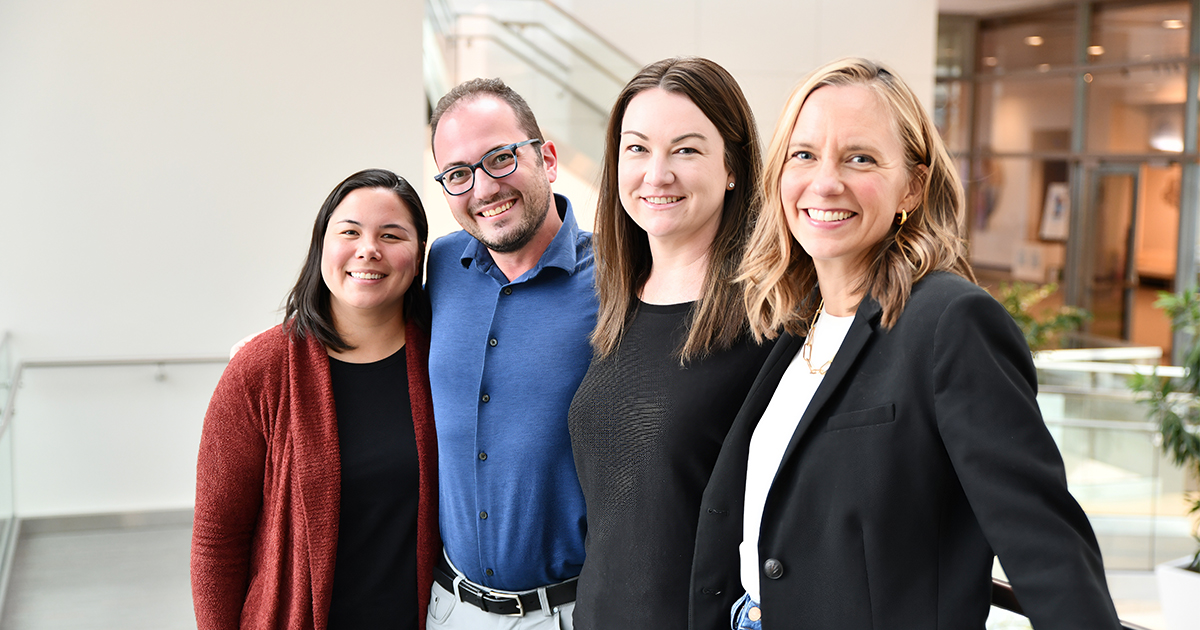
How a Passion for Service Created Lasting Friendships Four Schwabbies from Mission Viejo, CA, found their paths crossing again—but this time, at Schwab’s Lone Tree Campus in Denver! Read how they found a shared home and purpose at Schwab. November 19, 2024 Career Development Culture & Inclusion Story Hub
-
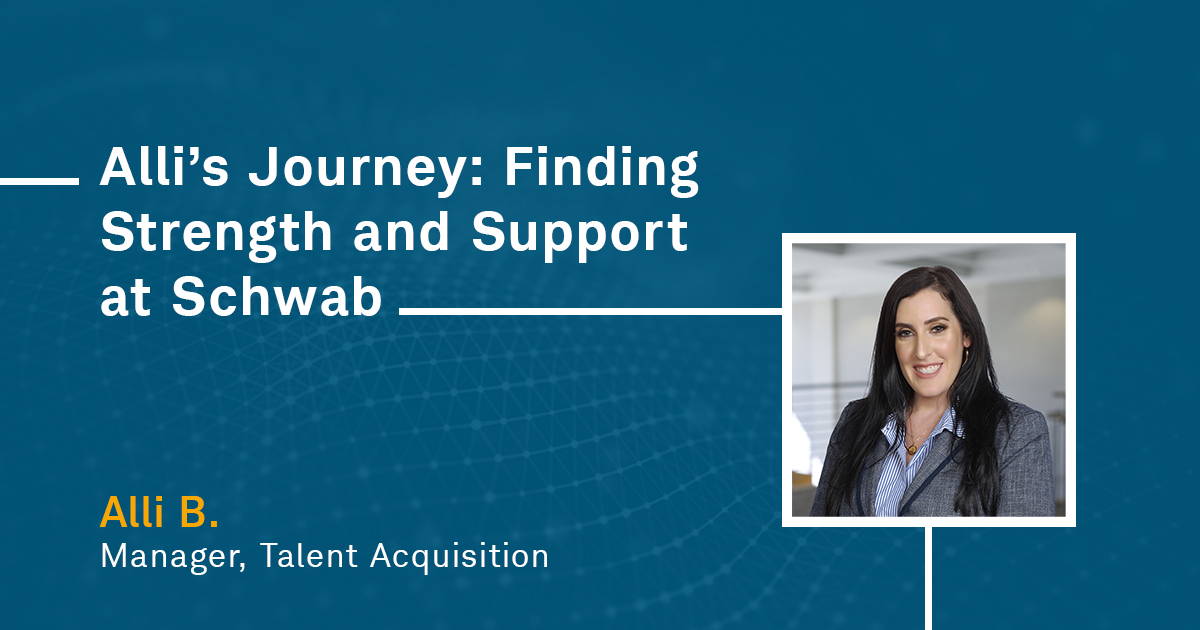
Alli’s Journey: Finding Strength and Support at Schwab When Alli faced a leukemia diagnosis and pregnancy during the pandemic, her Schwab team was there every step of the way. Read how she found strength in a community that has her back—at work and beyond. December 04, 2024 Life at Schwab Culture & Inclusion Story Hub
-
ERG Spotlight: NEXT—Empowering Schwab’s Next Generation We're spotlighting Schwab’s NEXT Employee Resource Group (ERG), which empowers early-career professionals with mentorship, workshops, and a supportive community. Learn more about how we're helping build the next generation of Schwabbies. January 06, 2025 Career Development Culture & Inclusion Interns & Early Careers Story Hub
-
Indianapolis, Indiana | Schwab Jobs Learn about our Charles Schwab corporate campus & service center located in Indianapolis, Indiana; voted top workplace award. January 15, 2025
-
ERG Spotlight: Black Professionals at Charles Schwab Learn how BPACS (Black Professionals at Charles Schwab) strives to advocate for, support, and celebrate the Black community and beyond. January 30, 2025 Culture & Inclusion Story Hub
-
Workplace Financial Services | Schwab Jobs Learn about exciting career opportunities in Workplace Financial Solutions: Retirement Plan, Stock Plans, and Designated Brokerage Services. January 27, 2025
-
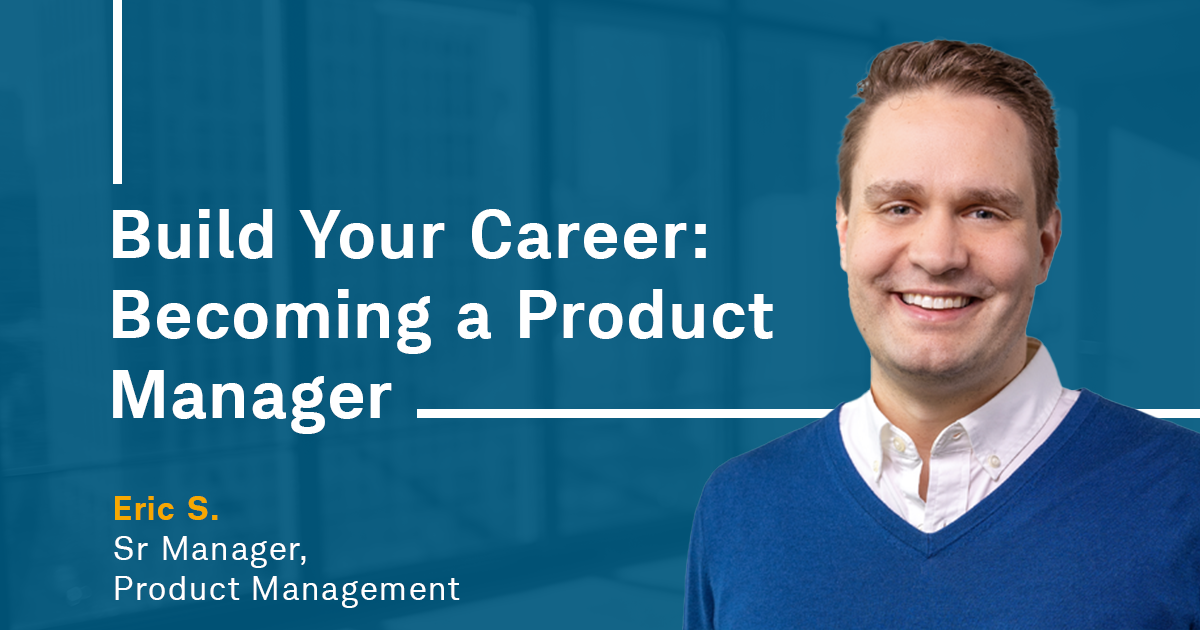
Career Spotlight: Becoming a Product Manager with Eric S. What's it like being a product manager at Schwab? Eric shares his story about working in financial technology. January 31, 2025 Life at Schwab Career Development Technology Related Content
-
Career Tips: How to Prepare for a Career in Client Services Dreaming of a career in finance but don’t know where to start? Our Client Service & Support team is a great way to step into the industry. March 10, 2025 Career Development Interns & Early Careers Story Hub
-
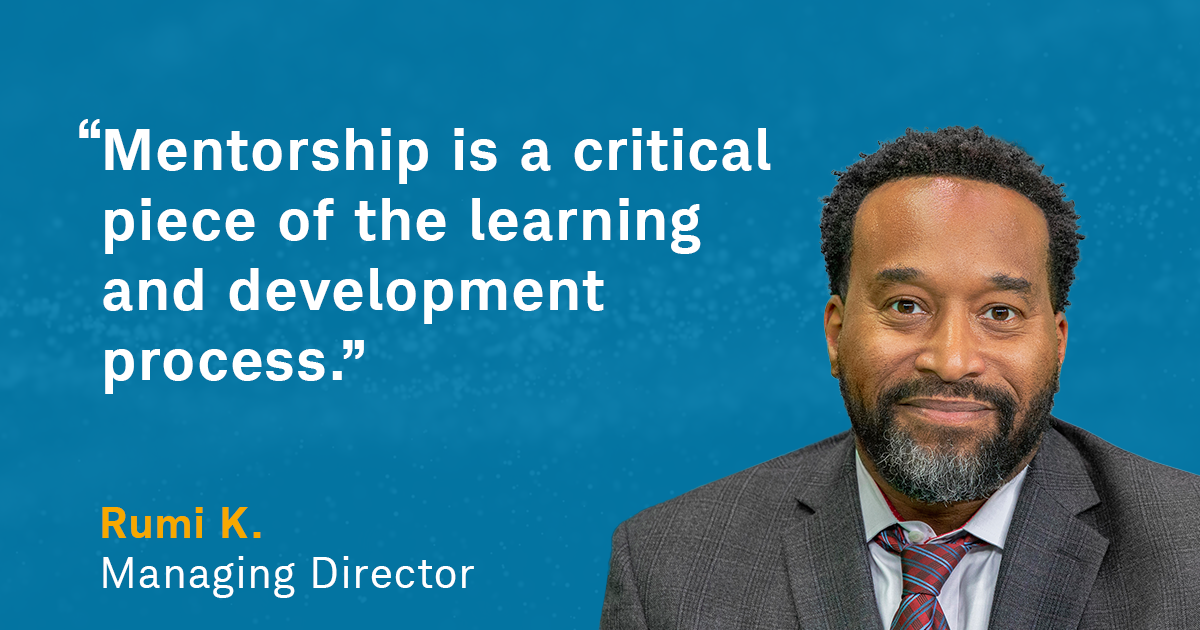
The Power of Mentorship with Rumi K. We spoke with Rumi K. about finding the right mentor, building trust, and the two-way value of mentorship. March 24, 2025 Career Development Story Hub
-
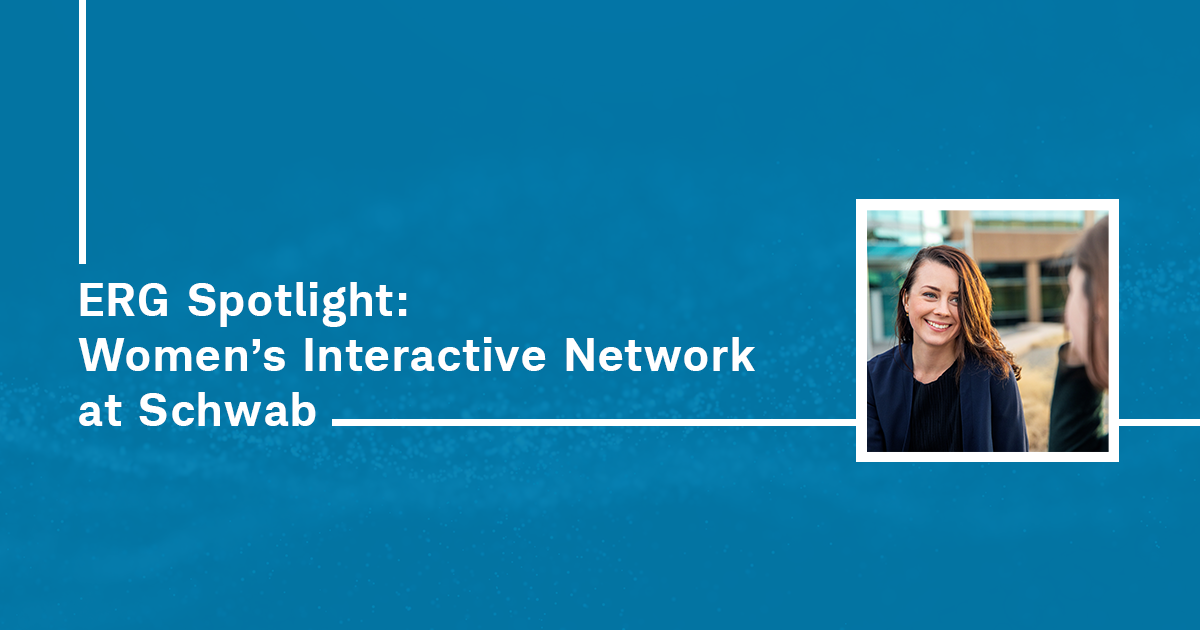
ERG Spotlight: Women’s Interactive Network at Schwab WINS (Women’s Interactive Network at Schwab) helps employees grow, connect, and lead with confidence. Read how WINS is shaping careers. March 26, 2025 Life at Schwab Culture & Inclusion Story Hub
-
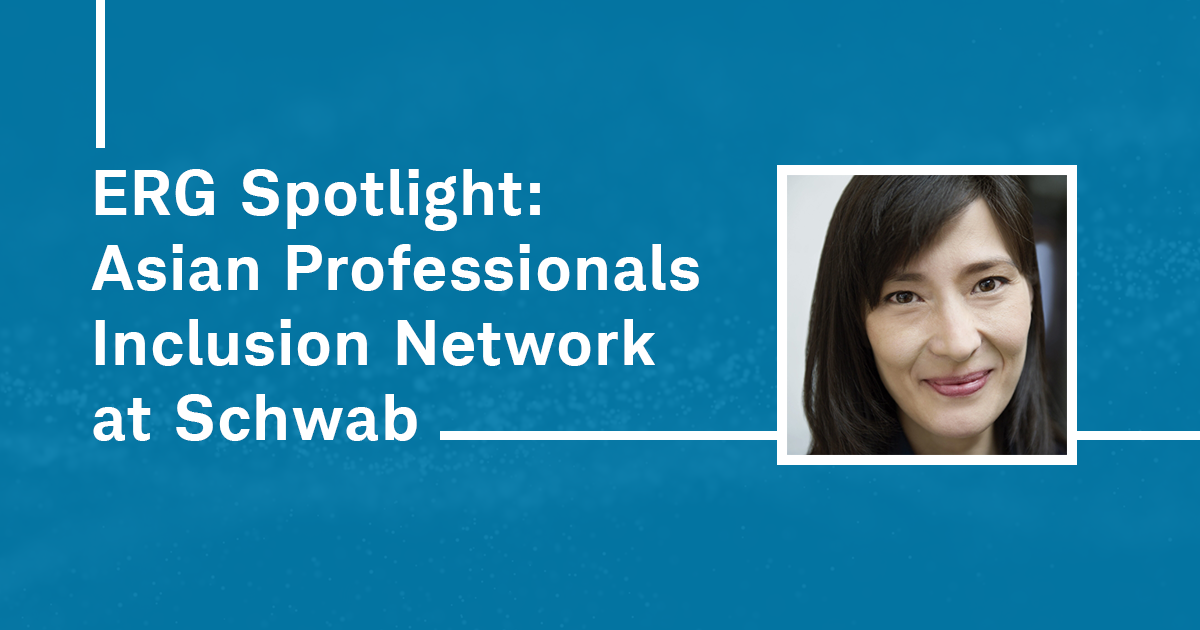
ERG Spotlight: Asian Professionals Inclusion Network at Schwab Read how the APINS community uses members' diverse experiences to promote awareness and inclusion. March 31, 2025 Life at Schwab Culture & Inclusion Story Hub
-
Career Tips: Find Support at Every Stage of Your Career Explore how Charles Schwab supports professional growth at every career stage. From internships and early career programs to leadership development and internal mobility, discover the resources and opportunities that empower employees to grow their careers in financial services. March 18, 2025 Career Development Story Hub
-
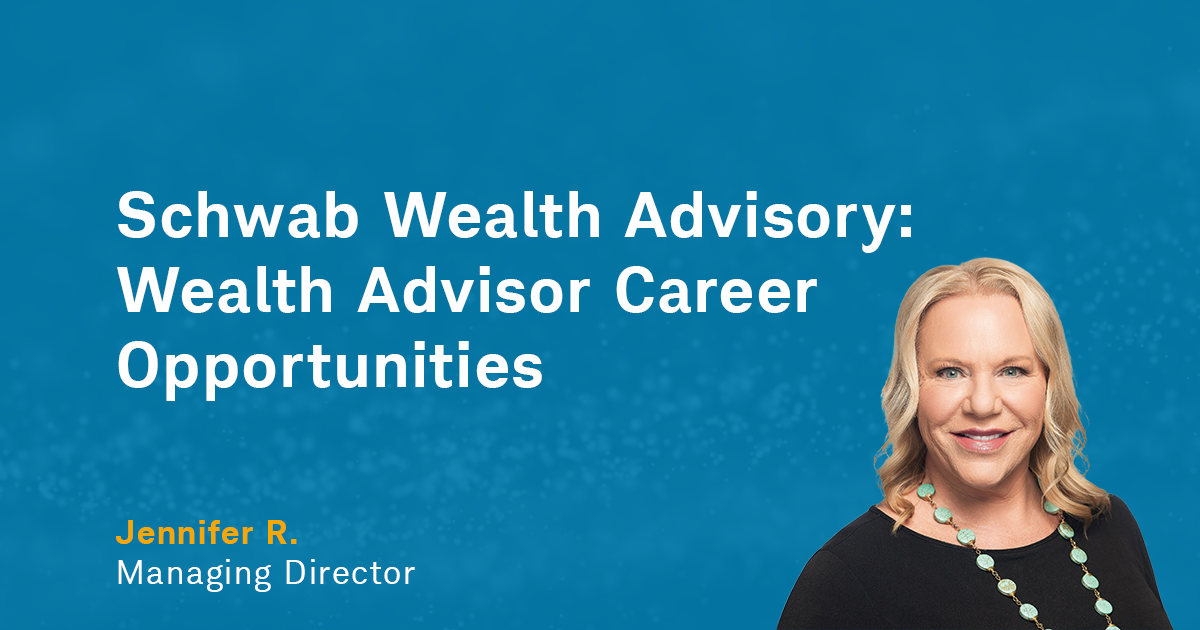
Schwab Wealth Advisory: Wealth Advisor Career Opportunities Explore how the Schwab Wealth Advisory™ provides opportunities for financial service professionals and advisors looking to grow their careers. March 03, 2025 Career Development Story Hub
-
Omaha, Nebraska Office | Schwab Jobs Learn about our Charles Schwab corporate campus & service center located in Omaha, Nebraska; voted top workplace award. March 14, 2025
-
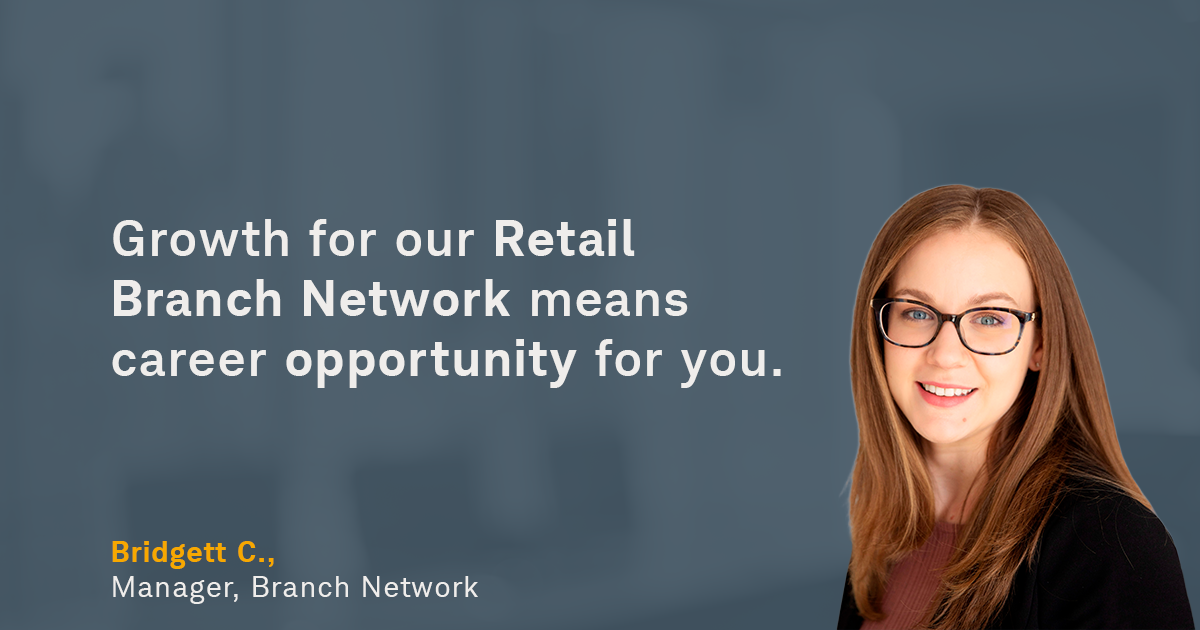
Branching Out: How Growth in Schwab’s Retail Branch Network Fuels Advisor Careers Discover how Schwab’s growing Retail Branch Network is creating new career pathways for advisors—starting with Bridgett C.’s journey from Financial Consultant to Client Relationship Manager. May 27, 2025 Career Development Story Hub
-
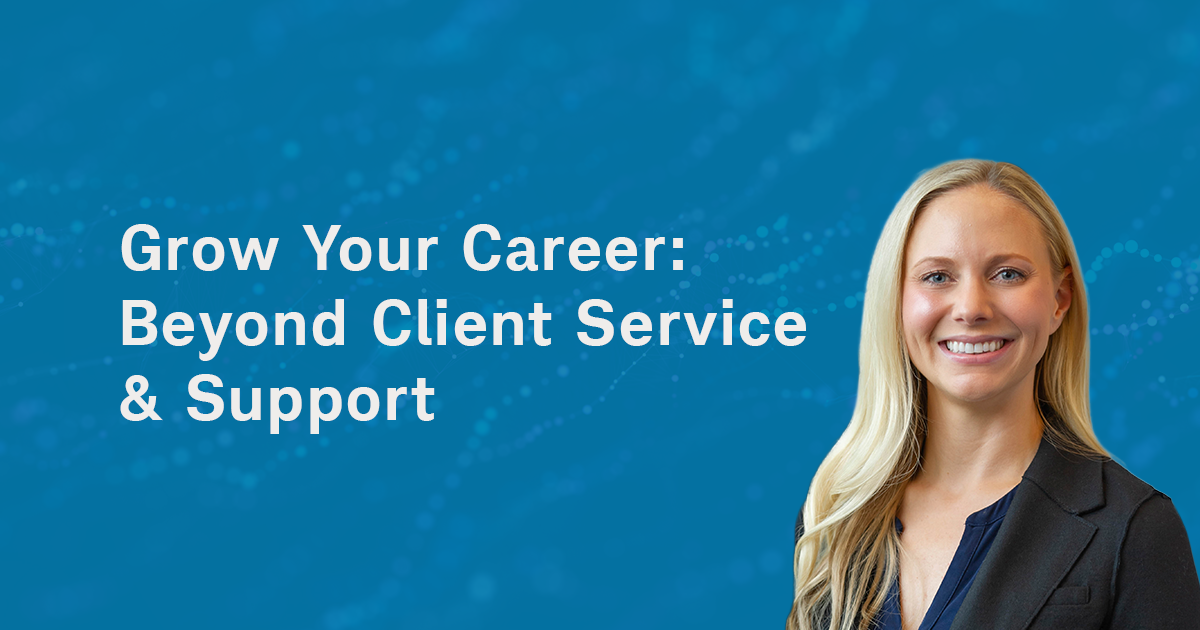
Grow Your Career: From Client Service & Support to Financial Planning and Advice Read how Client Service & Support employees at Charles Schwab experienced career growth into financial advice and planning jobs. July 03, 2025 Career Development Story Hub Service Related Content
-
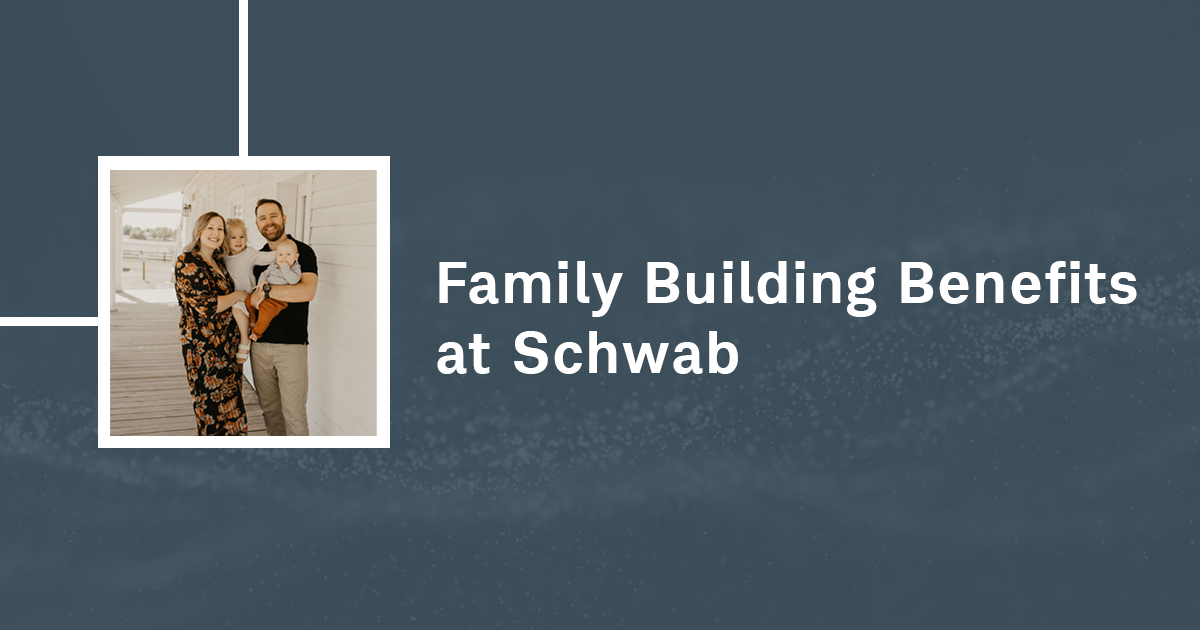
Benefits Spotlight: Building a Family with the Support of Schwab’s Benefits Learn how family building benefits like IVF support, parental leave, and childcare services help working parents grow their families while maintaining career momentum. June 27, 2025 Benefits Story Hub
-
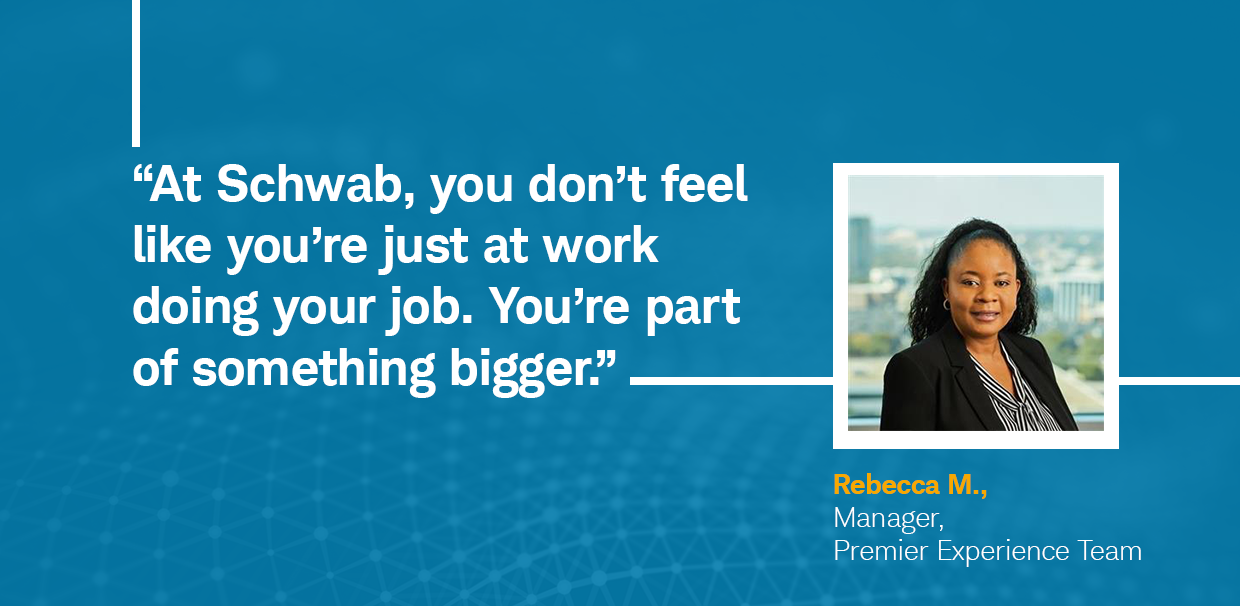
ERGs Make a Big Company Feel Small: How Rebecca Found Connection Through BPACS From day one, Rebecca M. knew she wanted to get involved. Through BPACS, she found more than connection — she found community, growth, and a way to give back. Discover how Schwab’s ERGs make a big company feel small and empower employees to lead with purpose. August 13, 2025 Life at Schwab Career Development Culture & Inclusion Story Hub Service Related Content Retail Related Content
-
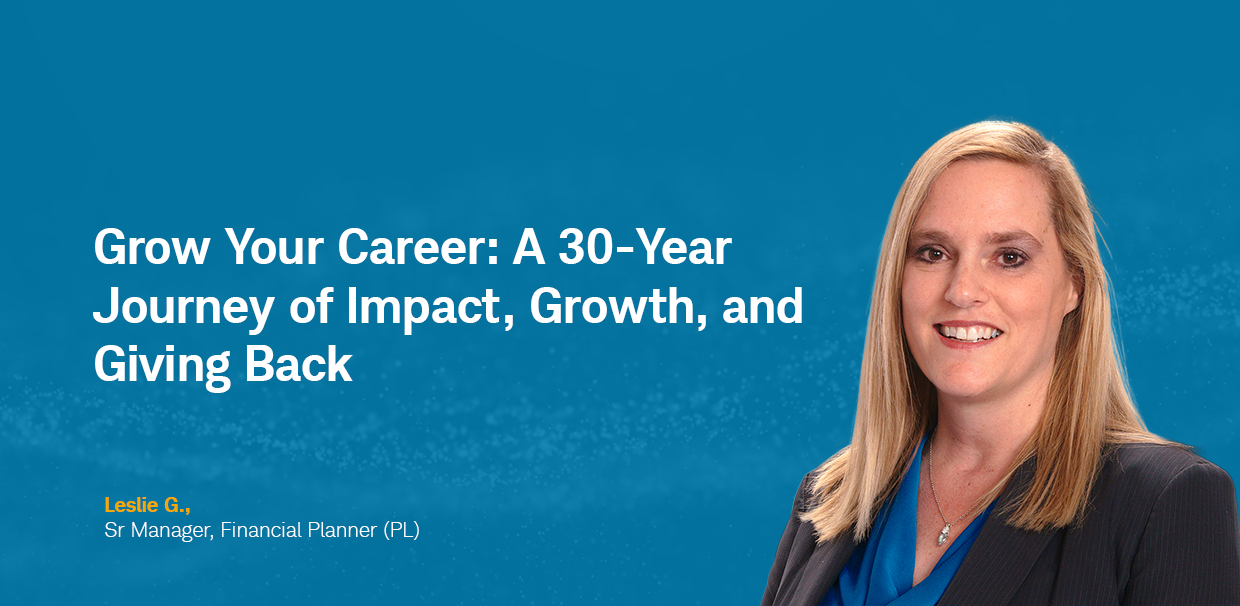
A 30-Year Journey of Impact, Growth, and Giving Back Discover how Leslie G., Sr. Manager and Financial Planner at Schwab, built a 30-year career through growth, mentorship, and purpose. From early branch days to leading CFP® professionals, her story shows what career longevity really looks like—and how Schwab supports every chapter. August 16, 2025 Life at Schwab Career Development Story Hub Service Related Content Retail Related Content
-
Grow Your Career: From Client Service & Support to Finance and Technology Read how Client Service & Support employees at Charles Schwab experienced career growth into finance and tech jobs. September 17, 2025 Career Development Story Hub Service Related Content
-
How to Start Networking & Make Connections Read on for networking advice from a Schwab Sourcing advisor on why it’s important and how to make meaningful connections that will help you find job opportunities and advance your career! June 21, 2023 Career Development Story Hub
-
Celebrating Over 20 Years at Schwab: Tim’s Commitment to Service As the end of April is approaching, so is Tim R.’s length of service at Schwab. From his time in the military to his tenure at Schwab, Tim’s commitment to his clients is a great reminder of the foundation that Schwab was built on – service is at the heart of everything we do. June 21, 2023 Life at Schwab Story Hub
-
Mental Health at Work: Creating Community & Navigating Neurodiversity in the Workplace As a continuation in a series around balancing mental health in the workplace, read on to learn more about Sean C.'s journey of being diagnosed with ADHD and how that has enlightened, enhanced, and altered his life, both personally and professionally. June 21, 2023 Culture & Inclusion Story Hub
-
Supporting Military Veterans at Schwab: Robert W.’s Passion for Community & Engagement As a part of National Military Appreciation Month, and as a continuation in our series on balancing mental health in the workplace, Robert W. shares the impact Military Veterans Network has made on his career, how Schwab supports veterans, and the invaluable sense of community & family the ERG gives to its members. June 21, 2023 Culture & Inclusion Story Hub
-
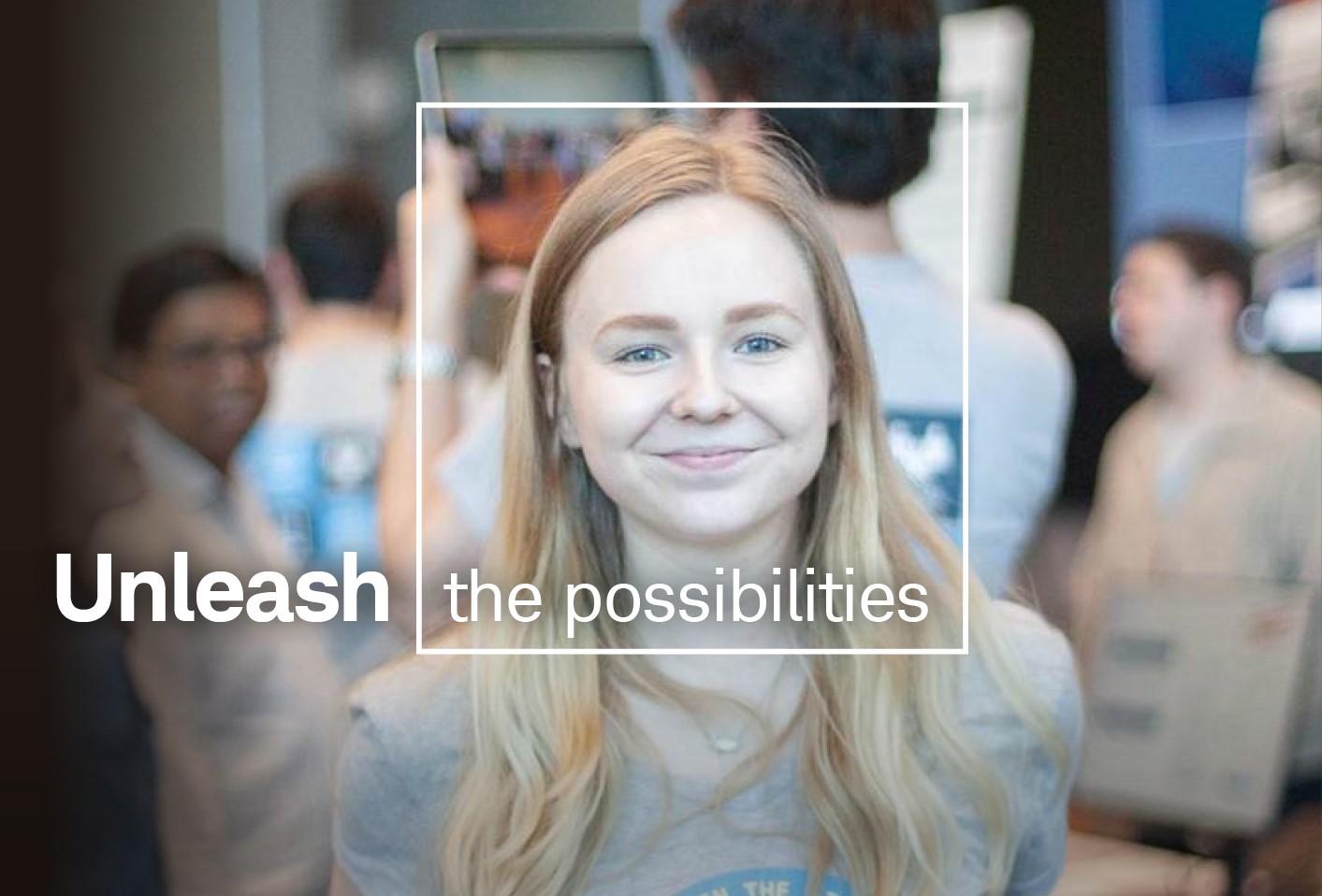
Unleash the possibilities: Women in Tech at Schwab As Schwab continues to grow as a firm, so does our technology space. We sat down with two amazing women in tech, to ask how they’ve seen this industry grow at Schwab and what's their favorite part about being a Schwabbie! June 21, 2023 Culture & Inclusion Story Hub Technology Related Content
-
A Culture of Service: Going Above and Beyond with Matt L. | Schwab Jobs Our Client Service & Support professionals enact positive change in the lives of our clients each and every day. For Matt L., it was only 4 months in his new position at Schwab that he was able to reflect on what bringing this purpose to life meant. Read on to find out how Matt helps his clients Own Their Tomorrow! June 21, 2023
-
Pursuing the American Dream | Schwab Jobs Read how Gio went from Bolivia to the United States and worked her way up from an entry level job to management in Financial Services at Schwab's Westlake campus. June 21, 2023 Career Development Story Hub
-
How to Advance your Career at Schwab: Exploring Alex’s Journey Education reimbursement is a benefit offered by Schwab, which aims to provide Schwabbies with opportunities to develop their skills and advance in their career. For Schwabbie, Alex B., the education reimbursement benefit helped him reach his goal of becoming a Chartered Financial Analyst! June 21, 2023 Benefits Story Hub
-
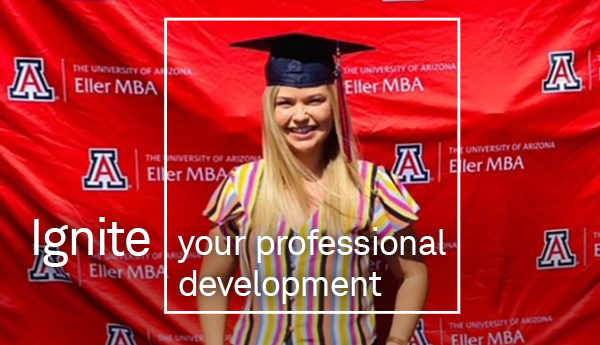
How to Advance Your Career at Schwab: Exploring Monica’s Journey in Pursuing her MBA Among Schwab’s many core values and beliefs, the desire to further one’s self in their career and ignite their passion is one that many Schwabbies have in common. Read on to find out how Monica L. advanced her career at Schwab using the tuition reimbursement benefit to earn her Masters of Business Administration! June 21, 2023 Benefits Story Hub
-
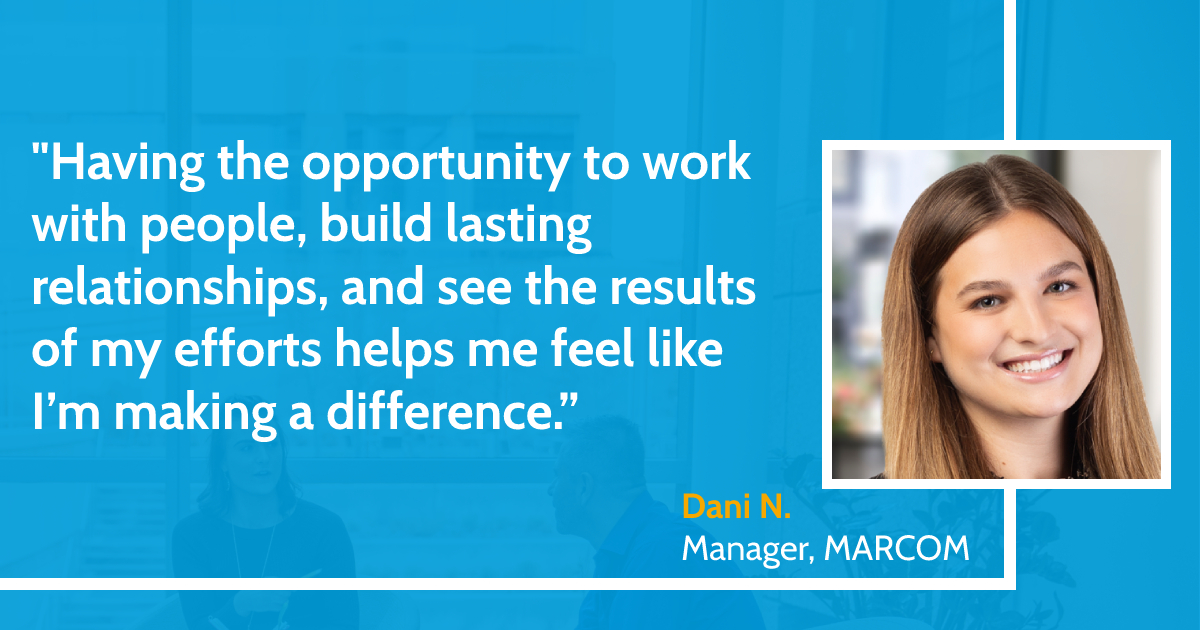
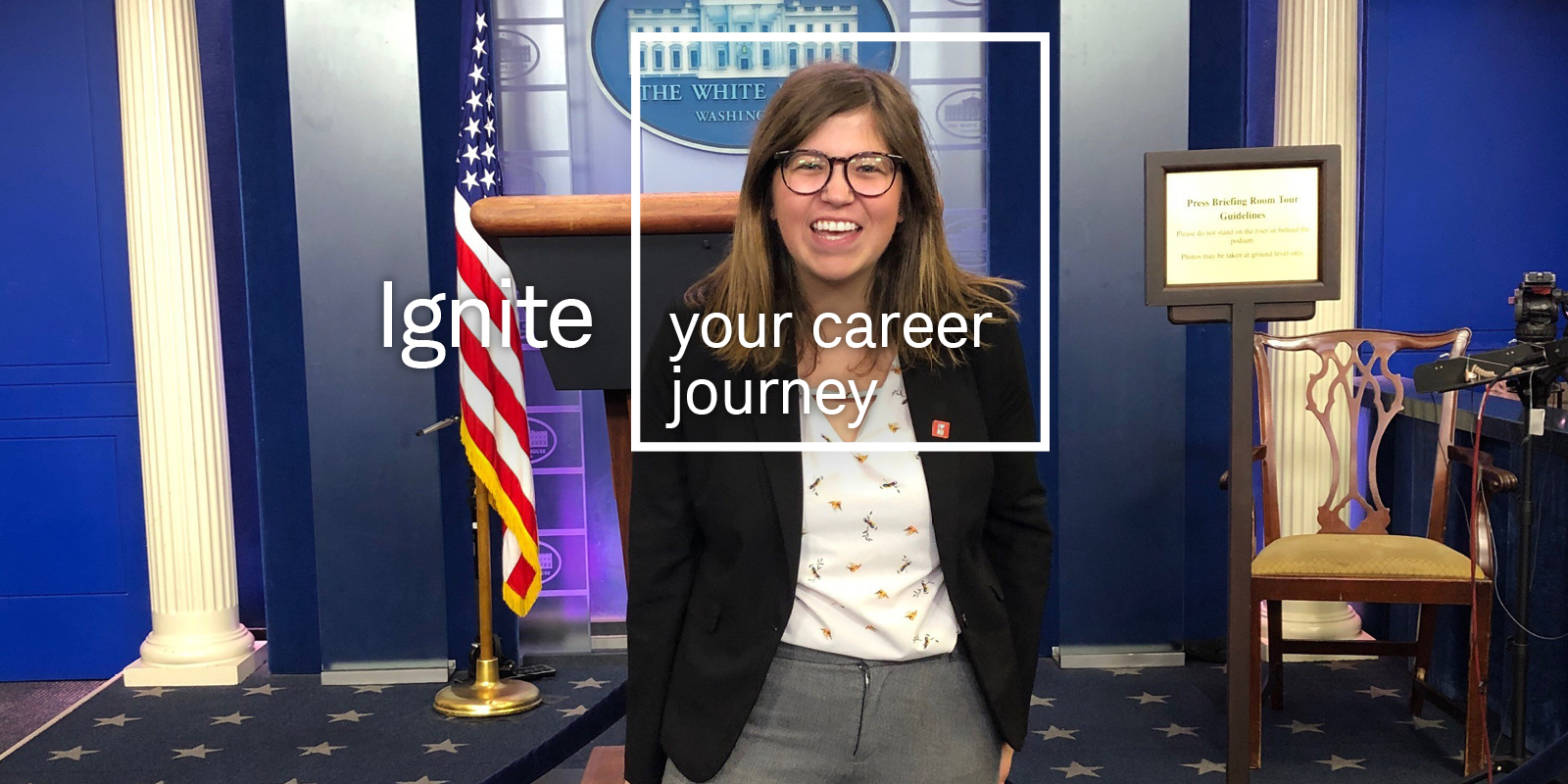
Career Spotlight: Dani N.'s Career Development Journey | Schwab Jobs Learn how Dani used Schwab's professional development opportunities to advance in her career. June 21, 2023
-
Rhiannon's Journey to a Career in Financial Services | Schwab Jobs Have you ever transitioned from one industry to another in your career journey? For Rhiannon C., she took her degree in political science and landed a job in Service at TD Ameritrade. Find out how her passion for helping others led her to a career in Financial Services! June 21, 2023 Career Development Story Hub
-
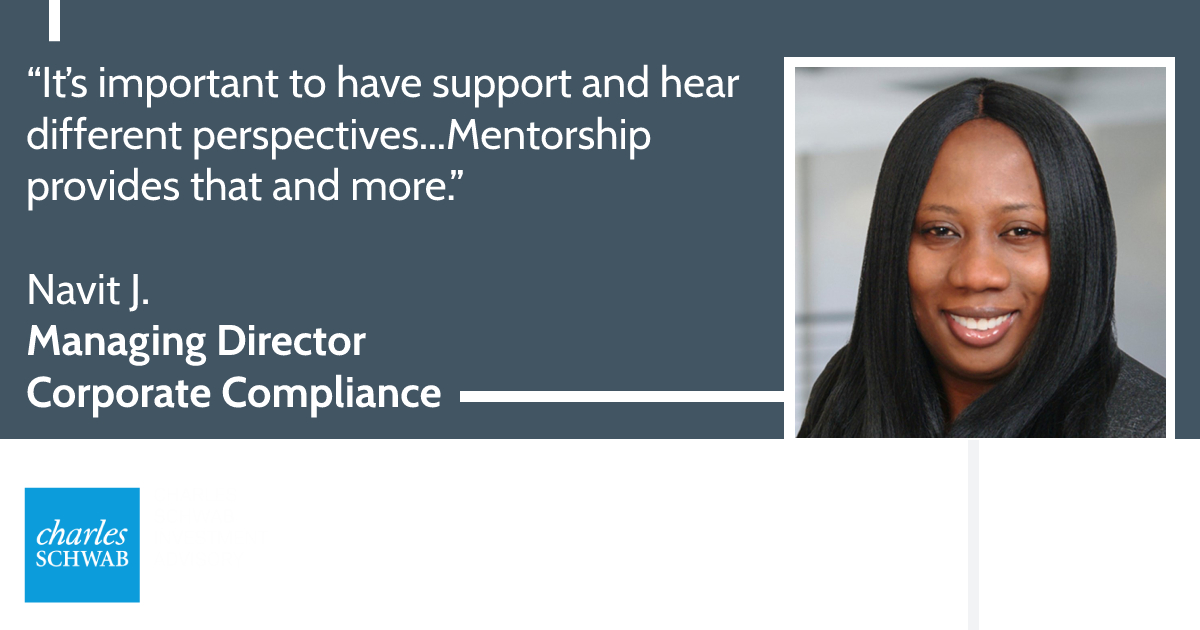
Career Spotlight: Navit J. on Mentorship and Career Growth | Schwab Jobs Learn How Navit J., a Managing Director in Corporate Compliance, used mentorship to grow her career. June 21, 2023
-
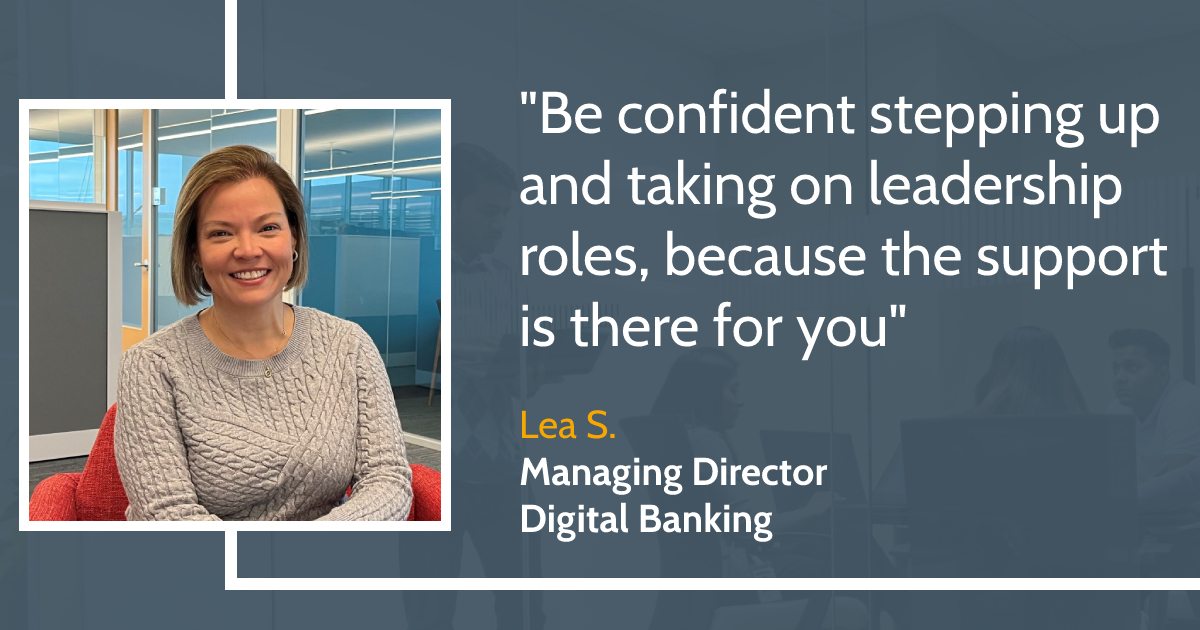
Lea's Path to Leadership in Financial Services & Tech Learn how Lea S. built an impactful career as a woman in the digital space at Schwab. June 21, 2023 Career Development Story Hub
-
Build a Career at Schwab: Hear Randy's Story Randy started off as an intern in Schwab's Intern Academy. Little did he know, his career path would twist and turn as he progressed his career as a full-time Schwabbie. June 21, 2023 Career Development Story Hub Service Related Content
-
Build a Career at Schwab: Hear Taji's Story | Schwab Jobs Taji started off as an intern at Schwab and since then, has advanced from an entry-level position to the current role she is in today. Read on to find out more about her experience moving up in the company! June 21, 2023 Career Development Story Hub
-
From Law Enforcement to Financial Services: Stacie Shares Her Career Journey At Schwab, we welcome individuals from all different backgrounds and career fields. For Stacie, her career journey as a Law Enforcement officer ultimately led her to her current role in financial services. June 21, 2023 Career Development Story Hub
-
Career Changer Leads to Long Term Success at Schwab Many Schwabbies come from different backgrounds and prior career fields. For Kris A, this current Schwabbie made a full 360 with starting off in the finance industry, to becoming a personal property appraiser, and then returning back to finance with Schwab. Read more about her journey below! June 21, 2023 Career Development Story Hub
-
Jannibah's Schwab Story Jannibah was on the hunt for a new career and with a background in non-profit and communications, a job in finance never crossed her mind. Learn how she came to find Schwab and why a career in financial services was the right choice for her! June 21, 2023 Career Development Story Hub
-
Katie's Schwab Story Katie's journey to Schwab started from her background in the non-profit space. As she earned her Ph.D., she soon realized that becoming a university professor wasn't for her. Instead, Katie took her passion for improving workplace culture to a new role at Schwab, which aligned with her personal values. June 21, 2023 Career Development Story Hub
-
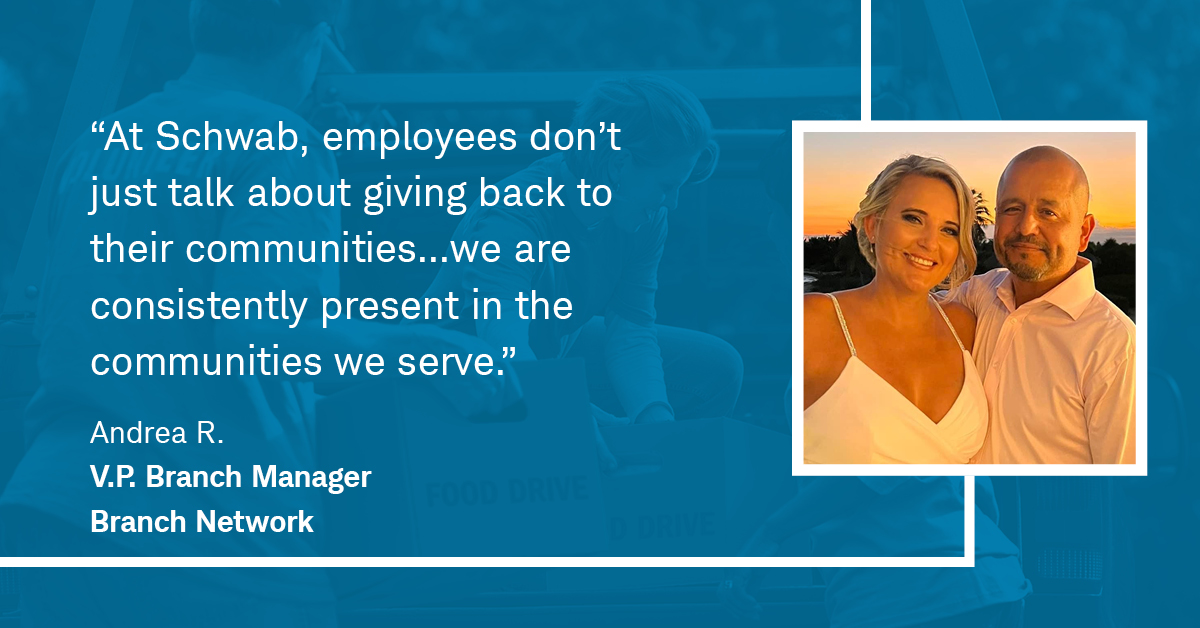
Culture of Service: Andrea R.'s Volunteering Experience | Schwab Jobs Learn how Andrea R., a V.P. Branch Manager, paired with Schwab to serve her community June 21, 2023
-
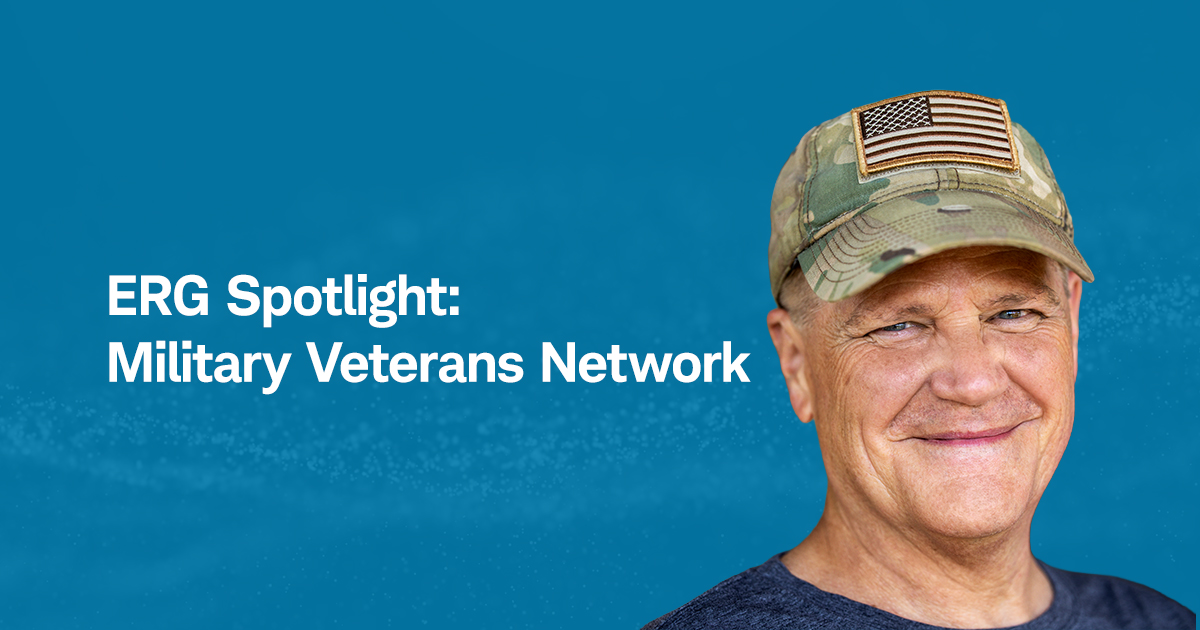
Military Veterans Network ERG Spotlight Discover Schwab’s Military Veterans Network Employee Resource Group, connecting veterans, spouses, and all Schwabbies through community, service, and career growth. October 24, 2025 Life at Schwab Culture & Inclusion Story Hub Home Page Related Content
-
Career Changers: From Film School to Finance Leader Discover how George B. made a career change into finance at Charles Schwab, where he found growth, mentorship, and purpose helping clients thrive. October 24, 2025 Career Development Story Hub Service Related Content
-
Grow Your Career: From Client Service & Support to Leadership and Operations Read how Client Service & Support employees at Charles Schwab experienced career growth into leadership and operations jobs. October 31, 2025 Career Development Story Hub Service Related Content
-
Building Careers and Supporting Clients in Indianapolis Get a real look at life at Schwab Indianapolis as Sean and Traig talk about career growth, mentorship, and making a difference for clients September 25, 2025 Life at Schwab Career Development Story Hub Service Related Content
-
Off-Shift, On-Point: Night Shift and Weekend Shift in Client Service and Support Discover how Schwab’s Client Service & Support professionals thrive on weekend, evening, and overnight schedules. Learn how flexible hours build stronger teams, deeper client connections, and open doors to career growth. November 26, 2025 Career Development Story Hub Service Related Content Retail Related Content SR Sidebar Related Content
-
December 03, 2025
-
December 03, 2025
-
March 02, 2026
-
Students We’re all-in when it comes to developing talent – from internships and academies to our tech leader program. July 07, 2023 Internships Related Content
-
Schwab's Financial Consultant Academy: Powering Branch Growth Discover Schwab’s Financial Consultant Academy: a 15‑month path to client‑facing roles. Grow with purpose at Charles Schwab. Explore careers & apply today. December 16, 2025 Career Development Interns & Early Careers Story Hub Internships Related Content
-
From Intern to Full-Time: How Alexandra Turned a Schwab Internship into a Career in Client Service. Learn how Alexandra's time in our Schwab Internship Academy (SSA) became something more: the beginning of a career in Client Service and Support (CS&S) Core Service. April 14, 2026 Career Development Interns & Early Careers Story Hub Home Page Related Content Service Related Content Internships Related Content
-
Start Your Career in Financial Planning with Schwab’s Wealth Management Academy Thinking about a career in financial planning but not sure where to start? Schwab’s Wealth Management Academy (WMA) is built for early career talent who want a clear path into wealth and advice roles. Learn more. May 11, 2026 Career Development Interns & Early Careers Story Hub Home Page Related Content Service Related Content Internships Related Content
-
May 20, 2026